A roof problem does not always begin with water pouring through the ceiling. In many cases, the earliest warnings are easy to overlook: a few granules in a gutter, a curled shingle, a faint ceiling mark, or a musty odor in the attic.
Recognizing these signs early can help Clifton homeowners prevent damage to insulation, drywall, ceilings, electrical fixtures, and roof decking. It may also give a roofing professional the opportunity to complete a focused repair instead of recommending a larger and more disruptive project.
Homes in North Jersey face changing seasonal conditions that can place repeated stress on roofing materials. High winds can lift shingles, heavy rain can enter through weak flashing, hail can damage protective granules, and freeze-thaw cycles can force moisture beneath roofing materials. Roofing manufacturer GAF identifies missing shingles, water leaks, granule loss, damaged flashing, gutter damage, and attic moisture as common indicators of storm-related roof trouble.
When you need roof repair Clifton NJ homeowners should not wait for visible damage to spread. A prompt inspection can determine where the problem started, how far it has traveled, and whether a repair is still the practical solution.
Why Early Roof Repairs Matter
Your roofing system is made of several connected components. Shingles form the visible surface, but the roof also depends on underlayment, flashing, roof decking, ventilation, gutters, sealants, fasteners, and properly protected penetrations.
A small defect in one component can affect several others. For example, a loose shingle may allow water to reach the underlayment. Continued exposure can eventually affect the wood decking. Moisture may then enter the attic, wet the insulation, stain the ceiling, and create conditions that support mold growth.
This chain of damage is why seemingly minor roof problems deserve attention. Fixing one damaged shingle or resealing a small flashing area may be straightforward when the surrounding materials remain sound. The same opening can require a more extensive repair after repeated storms.
Water can also travel before it becomes visible indoors. The stain on a ceiling may not sit directly beneath the exterior opening. Water may follow a rafter, nail, pipe, or seam before dripping onto insulation or drywall. A professional inspection is therefore more reliable than guessing based only on the location of an interior stain.
Early action provides several practical benefits:
- It limits the amount of material exposed to moisture.
- It helps protect insulation, ceilings, and interior finishes.
- It reduces the likelihood of recurring leaks.
- It gives homeowners more time to compare repair options.
- It creates documentation of the roof’s condition.
- It can clarify whether the damage is isolated or widespread.
The key is not to panic at the first visible defect. Instead, treat the warning as a reason to obtain a careful assessment from a qualified local roofing contractor.
10 Warning Signs You May Need Roof Repair
1. Water Stains on Ceilings or Walls
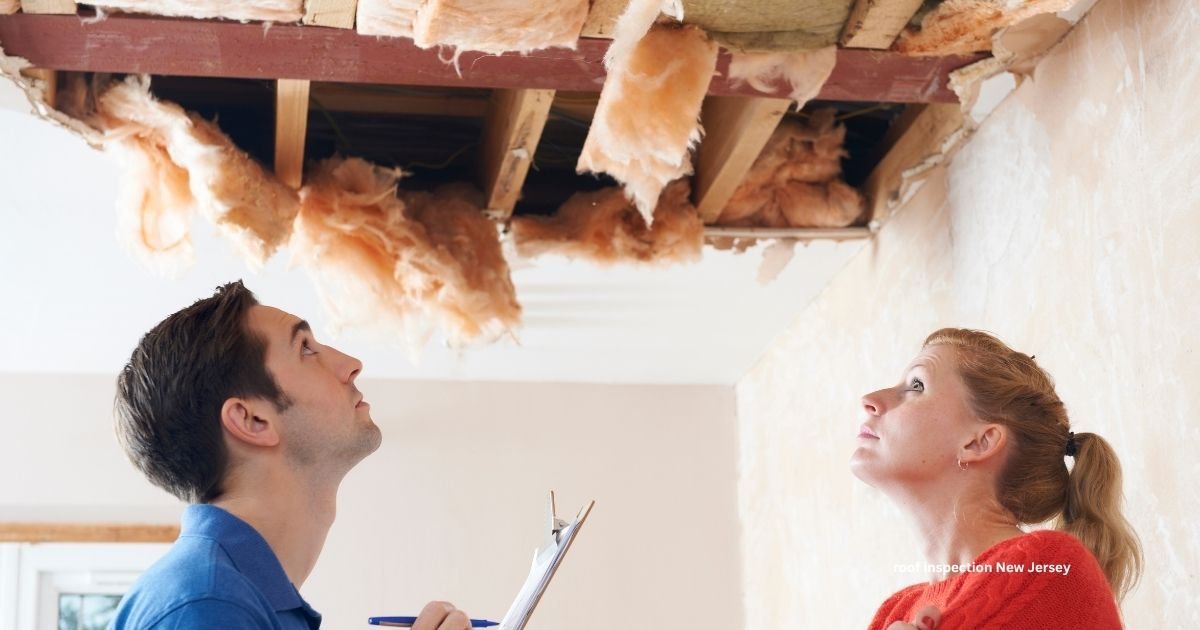
Brown, yellow, or rust-colored marks on a ceiling are among the most familiar roof damage signs. You may also notice bubbling paint, peeling drywall tape, discoloration near a chimney, or a mark that becomes darker after rainfall.
A ceiling stain does not always confirm that the roof is the source. Plumbing lines, bathroom fixtures, and HVAC equipment can also produce moisture. However, stains that appear or grow during rain should be treated as a possible roofing problem.
Do not simply paint over the mark. Covering it may improve the room’s appearance, but it will not stop the moisture. Document the stain with photographs, note when it changes, and arrange an inspection.
A roofer may evaluate the shingles, flashing, valleys, vents, chimney area, and roof penetrations above the affected room. The attic should also be checked for damp insulation, water tracks, darkened wood, or visible fasteners carrying moisture.
GAF lists brown or yellow ceiling stains, peeling paint, bubbling drywall, damp attic conditions, and musty odors among the warning signs associated with roof leaks.
2. Active Drips or a Musty Smell Indoors
An active drip requires quick attention, even when the amount of water appears small. Place a container beneath the leak, move furniture and valuables, and keep people away from wet electrical fixtures.
Do not climb onto a wet roof. Rain, loose granules, damaged shingles, and steep surfaces can make the roof dangerously slippery. Emergency measures should focus on protecting people and limiting interior damage until a professional arrives.
A musty odor can be an earlier warning. Moisture may collect in attic insulation or enclosed wall spaces before a visible drip develops. Persistent dampness may also lead to mold or wood deterioration.
Professional leaking roof repair should begin with locating the true entry point rather than sealing only the spot where water appears indoors. A complete evaluation may include shingles, flashing, roof vents, pipe boots, valleys, gutters, underlayment, and the underside of the roof deck.
Genesis Roofing & Exteriors advises property owners with an active leak to move valuables, collect dripping water safely, avoid climbing onto the roof, and contact a roofing professional for an inspection.
3. Missing, Cracked, Lifted, or Curling Shingles
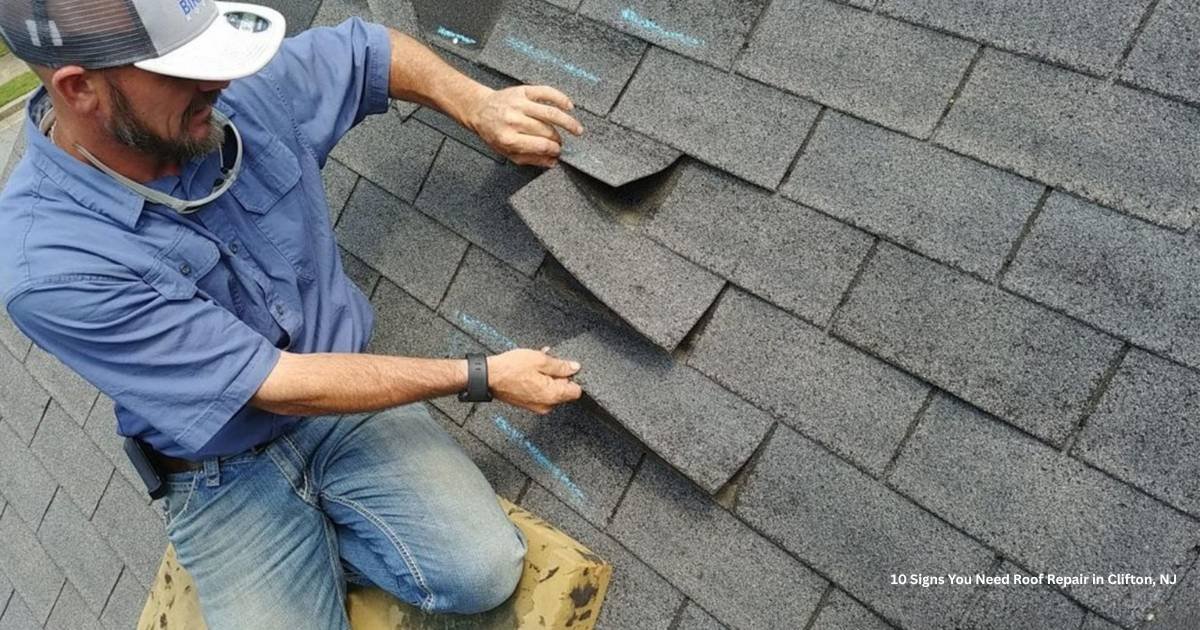
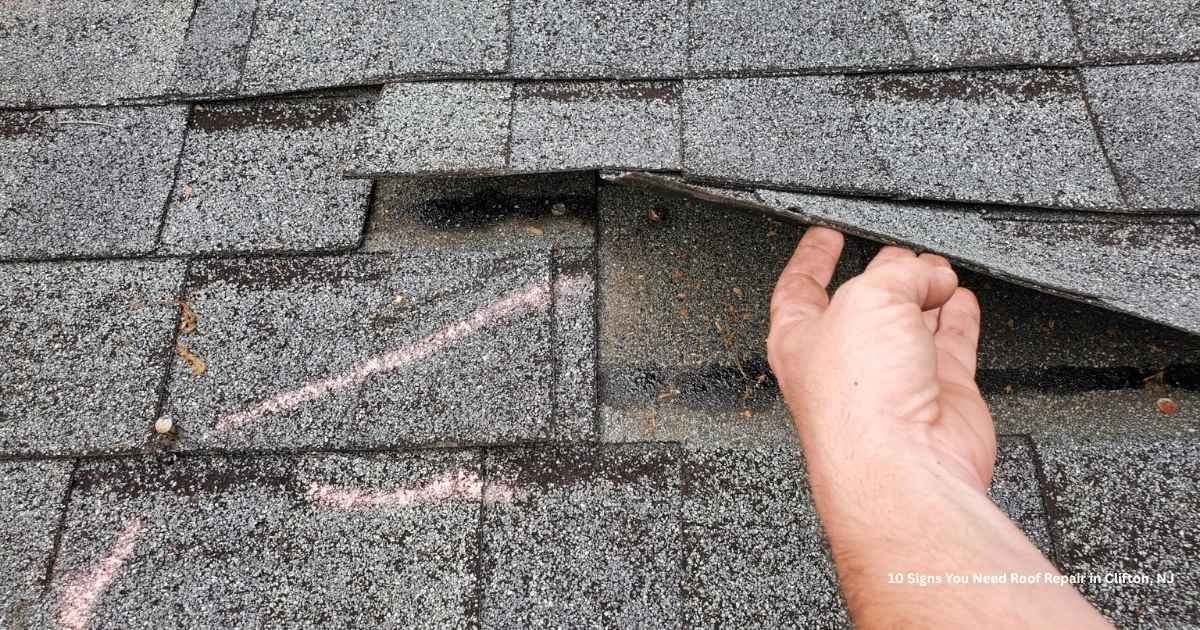
Shingles create a layered surface designed to shed water. When one or more shingles are missing, the material beneath them receives less protection from rain, sunlight, and wind.
Shingles may also remain in place while becoming damaged. Look from the ground for:
- Corners lifting away from the roof
- Cracks running through the shingle
- Curled or cupped edges
- Creases caused by wind uplift
- Uneven sections that move during strong wind
- Exposed areas that differ in color from surrounding shingles
One damaged shingle does not automatically mean the entire roof must be replaced. The roof’s age, the condition of surrounding materials, the number of affected areas, and the availability of compatible replacement shingles all matter.
Still, missing or visibly damaged shingles should not be ignored. GAF notes that wind can lift or remove shingles and that hail or flying debris can crack, dent, or curl them.
4. Large Amounts of Shingle Granules in the Gutters
Asphalt shingles have a layer of protective granules on their surface. These small particles help shield the asphalt from sunlight and normal weather exposure.
Some loose granules may appear after a new roof installation or during routine aging. The concern is a noticeable increase, repeated accumulation, or bare-looking areas on the roof.
Check gutter outlets and the ground below downspouts for material that resembles coarse sand. You may also see dark or shiny patches where shingles have lost surface coverage.
Excessive granule loss can occur because of age, hail, foot traffic, manufacturing issues, or weather exposure. A roofer can determine whether the loss is limited to a few shingles or affects a larger area.
Do not climb onto the roof to rub or test the shingles yourself. Walking on an aging surface may cause additional damage and create a fall risk.
5. Loose, Rusted, Bent, or Missing Flashing
Flashing is installed where the roof meets another surface or where an object passes through it. Common locations include chimneys, skylights, plumbing vents, walls, valleys, and roof edges.
Because these areas interrupt the main shingle field, they require careful waterproofing. Loose metal, cracked sealant, corrosion, poor overlap, or missing pieces can create an entry point for rain.
Interior stains near a chimney or skylight often lead homeowners to assume that the object itself is leaking. Sometimes that is true. In other cases, the flashing around it is the source.
Flashing repairs require more than adding a thick layer of caulk. Sealant can be useful as one part of a proper system, but it should not replace correctly installed metal, underlayment, counterflashing, or step flashing.
A professional should examine the complete detail and determine whether the flashing can be reset, resealed, repaired, or replaced.
6. Sagging Rooflines or Soft Areas
A roofline should generally appear straight and consistent. A visible dip, wave, or sag may indicate a more serious concern involving the roof deck, framing, prolonged moisture exposure, or excessive loading.
Sagging does not identify the cause by itself. Some older homes have variations in framing or settled sections that are not related to an active leak. However, a new or worsening sag deserves prompt professional evaluation.
Soft spots are also concerning. Roof decking may lose strength after repeated water exposure. A roofer may detect softness while inspecting the surface, but homeowners should never walk across a roof to test it.
Look from a safe location for uneven planes, dips near valleys, changes around chimneys, or sections that appear lower than neighboring areas.
GAF identifies a sagging roof as a possible structural warning that may point toward replacement rather than a small repair.
7. Daylight, Water Tracks, or Wet Insulation in the Attic
Your attic can reveal roof trouble before it becomes obvious in a finished room.
During daylight, look for bright spots coming through the roof deck. Light may enter through a vent by design, so do not assume every opening is damage. However, visible gaps outside intended ventilation areas should be inspected.
Other attic warnings include:
- Dark water tracks on rafters or decking
- Damp or compressed insulation
- Rusted nails or fasteners
- Mold-like spotting
- Musty odors
- Peeling surfaces
- Water droplets after rain
- Insulation that feels unusually cold or wet
Use caution when entering an attic. Step only on secure walking surfaces or structural framing. Drywall ceilings cannot support a person’s weight.
Wet insulation may lose some of its effectiveness and can hide moisture beneath it. A contractor may need to trace the path of water and examine the exterior roof directly above and uphill from the affected area.
8. Higher Energy Bills or Uneven Indoor Temperatures
A sudden change in heating or cooling costs can have several causes, including HVAC performance, air leaks, insulation gaps, duct problems, window conditions, or changing energy rates.
Roof and attic conditions can also play a role. Wet insulation may not perform as intended. Poor attic ventilation can trap heat and moisture. Openings around roof penetrations may allow unwanted air movement.
Energy bills alone are not proof of roof damage. They should be considered alongside other symptoms such as attic moisture, damaged vents, ceiling stains, ice dams, or visible shingle problems.
A roof inspection can evaluate the roofing and ventilation components, while an energy audit may be useful when the cause remains unclear. Addressing the actual source is more effective than replacing roofing materials based only on a utility bill.
9. Damaged Gutters, Overflowing Water, or Recurring Ice Dams
Gutters are not part of the shingle surface, but they are essential to roof drainage. They move water away from roof edges, siding, foundations, doors, and walkways.
Clogged, loose, bent, or incorrectly pitched gutters can allow water to back up near the eaves. During cold conditions, snowmelt may refreeze along the edge and form an ice dam. Water can then move beneath roofing materials instead of flowing safely into the gutter.
Watch for:
- Gutters pulling away from the fascia
- Water spilling over during moderate rain
- Downspouts that do not drain
- Standing water in gutter sections
- Rot or discoloration along the fascia
- Repeated icicles or ice buildup at the eaves
- Shingle granules collecting near outlets
GAF explains that clogged gutters can redirect water beneath shingles and that ice dams can force moisture under roofing materials during freeze-thaw cycles.
10. Visible Damage After Wind, Hail, or Falling Debris
A roof may be damaged during a storm without developing an immediate indoor leak. Wind can break a shingle’s seal or create a crease that is difficult to see from the ground. Hail can bruise shingles and dislodge granules. Branches can crack shingles, dent flashing, or puncture the roof deck.
Schedule an inspection after a significant weather event when you notice:
- Shingles or roofing pieces on the ground
- Tree limbs resting on the roof
- Dented gutters or downspouts
- Damaged siding or exterior trim
- New ceiling marks
- Loose flashing
- Debris impact marks
- A sudden leak during or after the storm
Take photographs from the ground and save the date of the event. Do not remove materials or make permanent alterations before speaking with a contractor and, when appropriate, your insurance provider.
Genesis Roofing & Exteriors offers roof inspections, storm damage repair, shingle repair, flashing repair, emergency service, and roof replacement options for Clifton and surrounding New Jersey communities.
Roof Repair Versus Roof Replacement
Not every leak requires a new roof, and not every aging roof is a good candidate for another patch. The correct recommendation depends on the complete condition of the roofing system.
| Repair May Be Appropriate When | Replacement May Be More Practical When |
| Damage is limited to a small area | Damage affects several roof sections |
| The surrounding shingles remain serviceable | Shingles are brittle, heavily curled, or widely deteriorated |
| Flashing has an isolated defect | Flashing and multiple roof details are failing |
| The roof has not needed repeated repairs | Leaks continue after several previous repairs |
| Decking damage is localized | Sagging or widespread decking deterioration is present |
| Compatible replacement materials are available | Existing materials cannot be matched or repaired reliably |
| The roof has substantial useful life remaining | The roof is near the end of its expected service life |
Roof age is important, but it should not be the only factor. Installation quality, ventilation, material type, weather exposure, maintenance history, number of layers, and prior repairs can all affect the recommendation.
A dependable contractor should explain what was found, identify the suspected source, show photographs when possible, and describe why repair or replacement is being recommended.
GAF advises homeowners to consider roof age, damage extent, repair history, moisture, sagging, granule loss, and the comparative cost of continued repairs when choosing between repair and replacement.
What Should You Do After Discovering Roof Damage?
Begin With a Safe Ground-Level Check
Walk around the property without climbing onto the roof. Look for missing shingles, fallen branches, loose gutters, debris, damaged flashing, and materials on the ground.
Photograph anything unusual. Interior photographs should include both close-up and wider views so the location of each stain is clear.
Check Inside the Home
Examine ceilings, exterior walls, closets, upper-floor rooms, and areas around skylights or chimneys. Record whether the damage changes during rain.
Inspect the Attic Carefully
Use a flashlight and stay on secure walking surfaces. Look for damp insulation, water tracks, darkened decking, rusted nails, and musty odors.
Safety Reminder
Never climb onto a wet, icy, storm-damaged, or visibly unstable roof. Keep away from standing water near electrical fixtures. Contact emergency services when water creates an immediate electrical, fire, or structural danger.
Schedule a Professional Roof Inspection
A professional inspection should examine more than the visible symptom. The contractor may review shingles, flashing, vents, penetrations, valleys, drainage, roof edges, attic conditions, and accessible decking.
Genesis Roofing & Exteriors provides inspections intended to identify visible damage, leaks, storm effects, wear, and possible repair or replacement needs.
Why Hiring a Local Roofing Contractor Matters
A local contractor is familiar with the types of roofs, seasonal weather patterns, municipal procedures, and common exterior conditions found in the service area.
Before approving work, ask the contractor for:
- A written scope of work
- A description of the damaged area
- Repair and replacement options when both are reasonable
- Material and workmanship information
- Proof of applicable insurance
- Permit responsibility
- Cleanup details
- Payment terms
- Warranty information
- Photographs of the problem when available
Avoid selecting a contractor based only on the lowest number. A vague estimate may not include removal, matching materials, flashing work, decking repairs, disposal, permits, or cleanup.
Genesis Roofing & Exteriors is based at 34 Myron Street in Clifton and lists residential roofing, commercial roofing, inspections, emergency repairs, standard repairs, maintenance, siding, and replacement services across North and Central New Jersey.
Roofing Permits and Inspections in Clifton, NJ
Permit requirements can vary based on whether the project involves a minor repair, structural work, decking replacement, or a complete roofing replacement.
The City of Clifton Building Department handles building permits, home-improvement permits, construction inspections, and code-related approvals. Before work begins, confirm the requirements for the exact project scope with the contractor and the City of Clifton Building Department.
A professional contractor should clearly state whether a permit is needed, who will obtain it, and whether an inspection is part of the project. Read more about residential roofing products at the Certainteed online page.
Frequently Asked Questions
How do I know whether a ceiling stain is caused by my roof?
A ceiling stain that appears or becomes darker during rain may indicate a roof leak. However, plumbing, HVAC equipment, and condensation can cause similar marks. A roofing inspection can examine the exterior components and attic area to identify the likely source.
Can a roof be repaired without replacing it?
Yes. Localized shingle damage, isolated flashing problems, small punctures, and certain leaks may be repairable when the surrounding roofing system remains in good condition. Widespread deterioration, sagging, repeated leaks, or extensive decking damage may make replacement more practical.
How quickly should I schedule leaking roof repair?
An active leak should be addressed as soon as it can be done safely. Place a container under dripping water, move valuables, avoid wet electrical areas, and contact a contractor. Even a slow leak can damage insulation, drywall, decking, and interior finishes.
Should I inspect my roof after every storm?
You do not necessarily need a full professional inspection after ordinary rain. However, a ground-level check is sensible after high winds, hail, falling branches, or a storm that causes visible exterior damage. Schedule a professional inspection when you see missing shingles, dents, debris impact, new stains, or active water entry.
Will homeowners insurance pay for roof repairs?
Coverage depends on the policy, the cause of damage, exclusions, deductibles, maintenance history, and documentation. Sudden storm damage may be treated differently from normal aging or neglected maintenance. Contact your insurer promptly and avoid making assumptions about coverage before the claim is reviewed.
How long does a roof repair take?
A small repair may be completed within several hours, while complex flashing, decking, chimney, storm, or multi-area repairs can take longer. Weather, material availability, roof access, permit requirements, and the extent of concealed damage may affect the schedule.
Can I repair a roof leak myself?
Temporary interior measures, such as placing a container beneath a drip, may help limit damage. Climbing onto the roof without proper training and safety equipment is risky, especially during wet, windy, icy, or storm-damaged conditions. Improper exterior repairs can also hide the problem without correcting it.
Who should I call for roof repair Clifton NJ service?
Contact a contractor that serves Clifton, provides written inspection findings, explains repair and replacement options, and offers clear project documentation. Genesis Roofing & Exteriors provides roof repair, inspection, storm damage, emergency roofing, and replacement services from its Clifton location.
Protect Your Clifton Home Before the Damage Spreads
A missing shingle, loose flashing detail, ceiling stain, or small leak may seem manageable today. After another round of rain, wind, or freezing temperatures, the same defect can affect a much larger portion of the roofing system and interior.
The safest response is to document the warning signs and arrange a professional inspection. A careful evaluation can determine whether your home needs a focused repair, preventive maintenance, or a broader replacement plan.
Genesis Roofing & Exteriors serves Clifton and surrounding North and Central New Jersey communities. For an inspection or roof repair Clifton NJ property owners can call (201) 691-8367 or use the inspection form on the Genesis Roofing & Exteriors website.
