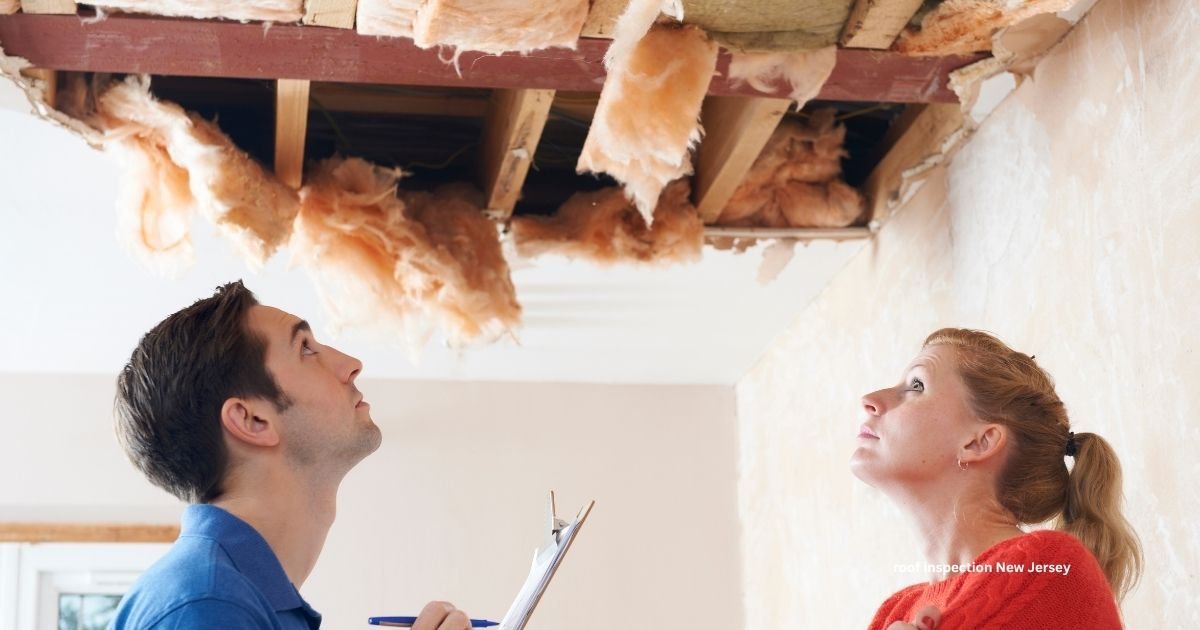
A roof inspection in New Jersey can tell you far more than whether a few shingles look damaged. A professional inspection evaluates the condition of the roofing system, searches for potential water-entry points, checks vulnerable areas around flashing and roof penetrations, and can help determine whether your home needs maintenance, a targeted repair, or a more extensive roofing solution.
For New Jersey homeowners, roof inspections are particularly valuable after severe weather, when purchasing a home, when unexplained interior moisture appears, or when an aging roof begins showing signs of deterioration.
Genesis Roofing & Exteriors provides residential roofing and inspection services from its Clifton location to homeowners in surrounding North and Central New Jersey communities. Homeowners specifically looking for local service can also learn more about our professional roof inspection services in Clifton, NJ.
But what actually happens during an inspection? Here is what New Jersey homeowners should expect.
What Does a Roof Inspection Include?
A thorough roof inspection looks at the roofing system as a whole rather than focusing only on the most obvious problem.
Industry home-inspection standards commonly include evaluation of roof-covering materials, gutters, downspouts, vents, flashing, chimneys, roof penetrations, accessible structural components, and visible indications of active leaks.
The exact inspection process will depend on the roof type, pitch, accessibility, weather conditions, age of the home, and the reason the inspection was requested.
Learn more about local NJ roofing resources at the Builders Association of Northern New Jersey.
Exterior Roof Inspection
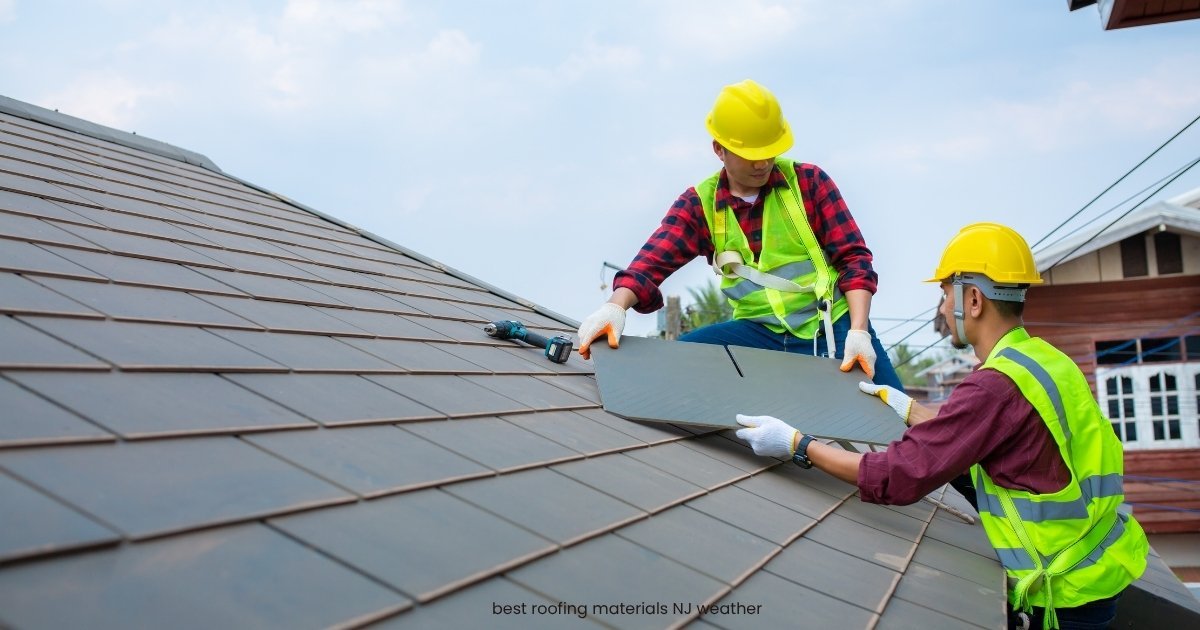
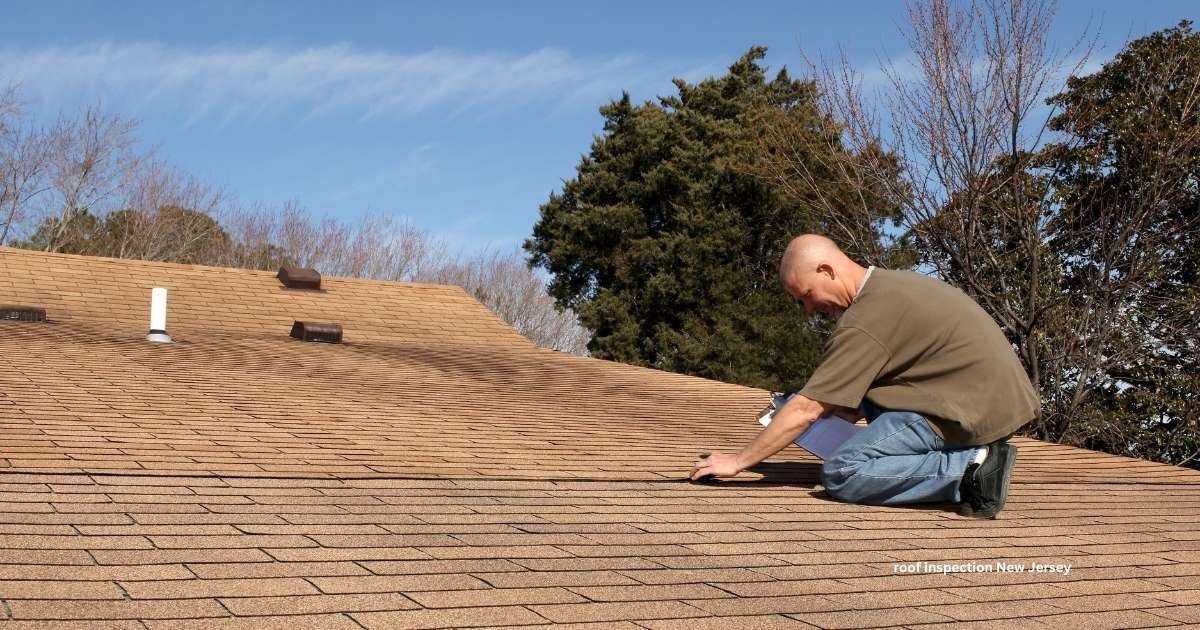
The exterior inspection provides an overall picture of how the roofing system is performing.
A roofing professional may examine the roof slopes, edges, valleys, ridge areas, gutters, fascia, soffits, penetrations, and other visible components. The goal is to identify deterioration, displaced materials, installation concerns, storm-related damage, and possible locations where water could enter.
Homeowners should generally avoid climbing onto the roof themselves. The National Roofing Contractors Association advises homeowners to limit their own observations and leave potentially dangerous roofing work to trained professionals.
Shingles
For asphalt-shingle roofs, shingles are one of the most important parts of the inspection.
The inspector may look for:
- Missing or displaced shingles
- Cracked or torn shingles
- Curling edges
- Loose shingles
- Excessive surface wear
- Areas where shingles appear lifted
- Exposed or improperly positioned fasteners
- Granule loss
- Damage around ridge caps and roof edges
One damaged shingle does not automatically mean a roof needs replacement. The location and extent of the damage, overall roof condition, previous repairs, and condition of the roofing layers beneath it all matter.
When the problem appears limited, professional roof repair may be enough to restore protection. When deterioration is widespread, a more comprehensive evaluation may be necessary.
Flashing
Flashing protects some of the roof’s most vulnerable transitions and intersections.
It is commonly installed around chimneys, walls, valleys, vents, skylights, and other areas where roofing materials meet another surface.
During a roof inspection in New Jersey, the contractor may check whether flashing appears loose, bent, deteriorated, displaced, corroded, or improperly sealed.
Small flashing problems can sometimes create significant leaks because water may travel beneath the roofing materials before becoming visible inside the house.
Chimneys and Roof Vents
Chimneys, plumbing vents, exhaust vents, skylights, and similar roof penetrations create interruptions in the roofing surface.
These areas deserve close attention during an inspection.
The roofer may examine:
- Flashing around the chimney
- Sealant condition
- Vent boots
- Visible cracks or openings
- Loose components
- Signs of water intrusion
- Deterioration around penetrations
An interior ceiling stain near a chimney or vent does not necessarily reveal the exact location where water entered. Moisture can travel along roofing materials, decking, rafters, and other surfaces before becoming visible inside.
Roof Decking
Roof decking forms the structural surface beneath the roofing materials.
Because most decking is covered by shingles, underlayment, or other roof coverings, an inspection does not always provide direct access to every part of it. However, contractors can look for warning signs that may indicate a decking problem.
These can include visible sagging, soft areas, deterioration around exposed sections, moisture staining seen from the attic, or evidence of previous water intrusion.
Decking condition becomes especially important when deciding whether a roof can be repaired or whether damaged sections will need to be replaced during a larger roofing project.
If an inspection reveals widespread deterioration, homeowners can review the roof replacement process before deciding on the next step.
Attic Moisture and Ventilation
A roof inspection should not always stop at the exterior.
When the attic is safely accessible, it can provide valuable clues about roof performance.
Signs a roofing professional may look for include damp insulation, darkened wood, water staining, visible leaks, condensation, mold-like growth, musty odors, or daylight entering through openings.
Attic moisture can result from roof leaks, condensation, ventilation problems, or a combination of conditions. Determining where the moisture originates is important before recommending repairs.
Genesis Roofing’s residential roofing services include attention to roof leaks, ventilation concerns, damaged flashing, storm-related issues, and other conditions that may affect the home’s roofing system.
Storm Damage
New Jersey homes can be exposed to strong wind, heavy rainfall, hail, winter weather, falling branches, and wind-driven debris.
Storm damage is not always dramatic.
Sometimes the warning sign is obvious, such as missing shingles or a fallen branch. In other cases, a shingle may remain on the roof but become lifted, creased, loosened, or otherwise compromised.
After severe weather, the NRCA recommends assessing visible damage from a safe ground-level position rather than attempting roof repairs yourself. A closer assessment should be handled by a qualified roofing professional. Read the NRCA guidance for roof repairs after a storm for additional information.
Genesis also provides dedicated storm damage roof repair in New Jersey and has published a detailed guide explaining what New Jersey homeowners should do after storm-related roof damage.
How Long Does a Roof Inspection Take?
There is no single inspection time that applies to every home.
A straightforward residential roof inspection may be completed relatively quickly, while a larger or more complicated property can require additional time.
Factors that influence inspection time include:
- Roof size
- Number of roof slopes
- Roof pitch
- Accessibility
- Roofing material
- Number of chimneys, skylights, and penetrations
- Attic accessibility
- Evidence of existing leaks
- Storm damage
- Previous repairs
- Safety and weather conditions
The goal should not be to finish the inspection as quickly as possible. The objective is to understand the roof’s current condition and identify areas that require attention.
Homeowners should also allow time after the physical inspection for the contractor to explain the findings and discuss possible next steps.
When Should New Jersey Homeowners Schedule a Roof Inspection?
You do not need to wait until water is dripping from the ceiling to have your roof evaluated.
Several situations justify scheduling an inspection.
When You Notice a Leak
Water stains, dripping, peeling paint, damp insulation, or unexplained moisture should be investigated promptly.
The visible water location may not be directly beneath the roof opening, so identifying the source is an important part of the repair process.
When Shingles Appear Damaged
Missing, cracked, loose, lifted, or curling shingles can indicate that part of the roof has become vulnerable.
A professional inspection can determine whether the problem is isolated or part of more widespread deterioration.
When the Roof Is Aging
As a roof gets older, periodic evaluations become increasingly useful.
Age alone does not determine whether a roof requires replacement. Condition, installation quality, maintenance history, material performance, previous repairs, ventilation, and weather exposure should also be considered.
Regular roof maintenance and protection can help identify smaller problems before they develop into more serious concerns.
Before Buying a Home
A roof can represent a major future expense for a homebuyer, so understanding its condition before purchasing a property can help reduce surprises.
A general home inspection may include roofing components. InterNACHI standards, for example, include inspection of roof-covering materials, drainage components, vents, flashing, chimneys, penetrations, structural areas that are readily accessible, and indications of active leaks.
However, when the roof appears older, has visible damage, shows evidence of previous repairs, or raises concerns during the home inspection, obtaining a more focused roofing evaluation may provide additional information.
A roofing contractor can help you understand whether visible issues appear repairable, whether maintenance should be planned, or whether a significant roofing project may be approaching.
After Buying a Home
If you recently purchased a house and do not have reliable information about the roof’s maintenance history, an inspection can provide a useful baseline.
You can document existing conditions, identify maintenance priorities, and better understand which components should be monitored over time.
See the North Jersey Chamber of Commerce to learn more about local NJ resources.
After a Major Storm
One of the most important times to schedule an inspection is after severe weather.
Contact a roofing professional if you notice missing shingles, material in the yard, fallen branches, damaged flashing, new ceiling stains, attic moisture, loose gutters, or other changes following a storm.
Even when damage is not obvious from the street, wind or debris can affect roofing components in areas that are difficult to observe safely.
For more detailed information, see our guide to storm damage roof repair in New Jersey, and learn more about the process of a roof inspection New Jersey.
What Should You Expect After the Inspection?
A useful roof inspection should give you a clearer understanding of what is happening—not leave you more confused.
After evaluating the roof, the contractor should be able to explain the observed conditions, point out areas that require attention, and discuss reasonable options.
Depending on the findings, the recommendation may involve:
No immediate work.
The roofing system may simply need continued monitoring and routine maintenance.
Preventive maintenance.
Minor issues may be addressed before they turn into leaks or larger repairs.
Targeted roof repair.
Localized problems involving shingles, flashing, penetrations, or leaks may be repairable without replacing the entire roofing system.
Roof replacement evaluation.
When damage or deterioration is widespread, replacement may be more practical than continuing to make isolated repairs.
Not every roof problem requires replacement. Genesis Roofing & Exteriors specifically evaluates the roof before recommending whether repair or replacement is the more practical option.
Roof Inspection vs. Roof Repair: What Is the Difference?
A roof inspection identifies and evaluates the condition of the roofing system.
Roof repair is the work performed after a problem has been identified.
For example, an inspection might identify loose flashing around a chimney. The inspection tells you what the problem is; the subsequent roof repair addresses that condition.
This is why starting with an inspection can be valuable when you are unsure whether you need maintenance, repair, or replacement.
Homeowners who already know they have an active roofing problem can learn more about roof repair services in Clifton and surrounding New Jersey communities.
Can a Roof Inspection Help Prevent Expensive Repairs?
An inspection cannot prevent storms, natural aging, or every future roofing problem.
It can, however, identify visible issues while they may still be more manageable.
A minor flashing concern, displaced shingle, drainage problem, or early moisture condition is usually better evaluated before repeated water intrusion causes additional damage.
This is also why roof inspections and preventive maintenance work together. An inspection identifies existing conditions, while maintenance addresses appropriate issues and helps preserve roof performance.
Should You Inspect the Roof Yourself?
Homeowners can visually observe parts of their roof from the ground, but climbing onto a roof is different.
Roof surfaces may be steep, wet, loose, damaged, or difficult to access. Walking on certain roofing materials can also create additional damage.
The NRCA recommends that homeowners avoid unnecessary roof work and leave professional roofing repairs and close assessments to trained contractors.
From a safe location, you can still watch for visible warning signs such as missing shingles, debris, damaged gutters, or material on the ground.
Why Choose Genesis Roofing & Exteriors for a Roof Inspection?
Genesis Roofing & Exteriors is based in Clifton and provides residential and commercial roofing, roof inspection, repair, replacement, storm-damage, siding, and exterior services throughout North and Central New Jersey. The company’s process begins with evaluating the property, explaining what was found, and helping property owners understand practical next steps.
If your inspection identifies a roofing problem, Genesis can also help with:
Residential roofing services, roof repair, storm damage repair, roof maintenance, and roof replacement.
Frequently Asked Questions About Roof Inspections in New Jersey
How often should I have my roof inspected in New Jersey?
Periodic inspections can help identify developing problems, and additional attention is appropriate after severe weather or whenever you notice leaks, missing shingles, damaged flashing, or other changes in roof condition. The NRCA also encourages homeowners to monitor roof condition as part of regular maintenance.
Should I get a roof inspection after a storm even if there is no leak?
It can be worthwhile after significant wind, hail, falling debris, or other severe weather. Not every roofing problem creates an immediate interior leak, and some damaged components may be difficult to see from ground level.
Do I need a roof inspection before buying a home?
A general home inspection typically evaluates visible roofing components, but a focused roofing inspection may be helpful when the roof is older, damaged, previously repaired, or otherwise raises concerns.
Does a damaged shingle mean I need a new roof?
No. Localized shingle damage may sometimes be repairable. Replacement is more likely to be considered when deterioration or damage is widespread or when the overall roofing system is no longer a good candidate for isolated repairs.
What happens if the inspection finds damage?
The next step depends on the type, location, and extent of the problem. Recommendations may include monitoring, maintenance, localized roof repair, storm-damage repair, or evaluating the roof for replacement.
Schedule Your Free Roof Inspection
Do not wait for a small roofing concern to become an interior leak or a more extensive repair.
Whether you are concerned about damaged shingles, attic moisture, flashing problems, an aging roof, or recent storm damage, Genesis Roofing & Exteriors can inspect your roofing system and explain what we find.
Schedule Your Free Roof Inspection or call (201) 691-8367 to speak with the Genesis Roofing & Exteriors team.
