Replacing a roof is one of the largest home maintenance projects most New Jersey property owners will face. It protects the structure, improves curb appeal, and can prevent expensive water damage. However, the price can be confusing because two homes of a similar size may receive very different estimates.
In 2026, the roof replacement cost New Jersey homeowners should plan for is generally $9,500 to $26,000 or more for an architectural asphalt shingle roof. A smaller, uncomplicated roof may fall near the lower end. A large or steep roof with damaged decking, several dormers, skylights, or premium materials can cost considerably more. Local New Jersey estimates place many 15-square roofs between $9,500 and $14,000, while 30-square projects may range from $18,000 to more than $26,000.
These figures are planning ranges rather than guaranteed prices. A contractor must inspect and measure the actual roof before providing an accurate proposal.
Find the right Pro for your projects. Learn more at Houzz.
Quick Answer: What Is the Average Cost of a New Roof in New Jersey?
For a typical New Jersey home, a standard architectural asphalt shingle replacement often costs between $12,000 and $20,000. Projects may begin below $10,000 for small, simple roofs and exceed $30,000 when the roof is large, steep, difficult to access, or requires major wood replacement.
Current New Jersey market estimates for architectural shingles provide the following useful planning ranges:
| Roof size | Roofing squares | Typical New Jersey estimate |
|---|---|---|
| 1,500 square feet | 15 squares | $9,500–$14,000 |
| 2,000 square feet | 20 squares | $12,000–$18,000 |
| 2,500 square feet | 25 squares | $15,000–$22,000 |
| 3,000 square feet | 30 squares | $18,000–$26,000+ |
These ranges assume a standard architectural asphalt shingle system. Premium shingles, complicated roof designs, extensive plywood damage, or specialty flashing can raise the total.
National figures help provide additional context. A 2026 cost study estimated an average of approximately $15,439 for a 2,000-square-foot asphalt roof, with a broad national project range of $6,885 to $23,993. Meanwhile, the 2025 Cost vs. Value report priced a standardized 30-square asphalt replacement at $31,871. That larger figure describes a detailed model project with tear-off, underlayment, flashing, skylight work, ridge treatment, and other specified components.
The lesson is simple: an “average roof cost” is only meaningful when the roof size, material, tear-off requirements, and included accessories are clearly defined.
Roof Replacement Cost New Jersey: Price by Roof Size
Roof size is usually the starting point for every estimate. Roofing companies measure the surface of the roof rather than the interior floor area of the home.
A 2,000-square-foot house does not automatically have a 2,000-square-foot roof. The actual surface can be larger because of the roof pitch, attached garage, porches, overhangs, dormers, and other sections. A ranch-style home may also have more roof area than a two-story house with the same interior living space.
What Is a Roofing Square?
One roofing square equals 100 square feet of roof surface. A roof measuring 2,000 square feet contains 20 roofing squares before adding waste.
Contractors normally order more material than the exact measured area. This extra material is needed for:
- Starter strips and ridge caps
- Valleys, hips, and roof edges
- Shingles cut around chimneys and vents
- Damaged or unusable pieces
- Pattern alignment and installation waste
A simple gable roof may require a relatively small waste allowance. A hip roof with several valleys and dormers may require much more.
A Simple Roof Cost Formula
A basic planning formula is:
Roofing squares × installed cost per square + allowances for wood and accessories = estimated project price
For example, a 20-square roof priced at $700 per square would begin at approximately $14,000. Plywood, skylight flashing, chimney work, ventilation changes, or difficult access would be added when applicable.
Why Online Roof Calculators Can Be Inaccurate
Online calculators are helpful for setting a budget, but they cannot see soft decking, hidden moisture, extra roofing layers, poor ventilation, or unusual flashing details. They also may use the home’s floor area instead of the true roof measurement.
Use an online number as a starting point—not as a final contract price.
Roof Replacement Cost by Material
Material selection can change the total more than almost any other decision. Asphalt remains the most affordable mainstream option, while metal, slate, tile, and premium synthetic products require a much larger investment.
The following installed national ranges can help New Jersey homeowners compare materials. Local labor, access, roof design, and product availability may shift the final bid.
| Roofing material | Approximate installed cost per square foot | Approximate cost for 2,000 square feet |
|---|---|---|
| Basic asphalt shingles | $4–$6 | $8,000–$12,000 |
| Architectural asphalt shingles | $6–$8 | $12,000–$16,000 |
| Composite shingles | $7–$9 | $14,000–$18,000 |
| Wood shingles or shakes | $11–$15 | $22,000–$30,000 |
| Steel roofing | $16–$23 | $32,000–$46,000 |
| Slate shingles | $18–$25 | $36,000–$50,000 |
| Copper roofing | $29–$41 | $58,000–$82,000 |
These material comparisons assume builder-grade products, average labor conditions, and a fairly simple roof. New Jersey prices may run higher for steep slopes, urban access, specialty fabrication, or coastal-grade components.
Asphalt Shingles
Architectural asphalt shingles are often the best balance of price, appearance, and performance for New Jersey homes. They are thicker and more dimensional than traditional three-tab shingles and are available in many colors.
A complete asphalt roof should be treated as a system. It commonly includes:
- Leak-barrier or ice-and-water membrane
- Synthetic or approved felt underlayment
- Starter shingles
- Field shingles
- Ridge-cap shingles
- Drip edge
- Pipe boots and flashing
- Intake and exhaust ventilation
A proposal that lists only “shingles and labor” does not give the homeowner enough information to compare quality.
Architectural shingles may carry long manufacturer warranty terms, but the full coverage period and exclusions vary. Product warranties also do not automatically cover installation mistakes. Homeowners should ask for separate written information about the manufacturer warranty and contractor workmanship warranty.
Three-Tab Versus Architectural Shingles
Three-tab shingles generally cost less, but architectural shingles provide a thicker appearance and are now a more common choice for full residential replacements.
The cheapest material is not always the best value. Labor, disposal, underlayment, flashing, and setup costs remain part of the project regardless of the shingle style. Saving a modest amount on the surface material may not justify choosing a less desirable system.
Metal Roofing
Metal roofing has a much higher upfront price. Steel, aluminum, standing-seam panels, and metal shingles all have different cost levels.
Standing-seam panels hide the fasteners beneath connected seams, which can reduce some maintenance concerns associated with exposed-fastener systems. However, metal installation requires specialized measuring, forming, cutting, and flashing skills. This added labor helps explain why metal roofs cost substantially more than asphalt systems.
Slate, Wood, Tile, and Composite Roofing
Slate can last for many decades, but it is heavy and expensive. The structure may need to be evaluated before installation. Wood roofing provides a distinctive natural appearance but requires careful maintenance and may face restrictions from insurers, fire codes, or local rules.
Composite products are designed to imitate slate or wood while offering a lighter system. Quality, impact resistance, warranty terms, and installation instructions vary by manufacturer.
Important Material Selection Note
The best material is not automatically the product with the longest advertised life. It should also fit the home’s structure, neighborhood, weather exposure, insurance requirements, maintenance expectations, and available budget.
What Does a Complete Roof Replacement Quote Include?
A complete proposal should explain what the contractor will remove, install, repair, protect, and clean up. The lowest total may not be the lowest final cost when important items are missing.
A professional estimate commonly includes the following categories.
Inspection and Measurement
The contractor measures each roof section, notes the pitch, examines the attic when accessible, and records chimneys, skylights, vents, gutters, and other penetrations.
Some companies use aerial measurements, while others measure by hand. Aerial reports can be useful, but an on-site inspection remains important for identifying access problems and visible damage.
Removal and Disposal
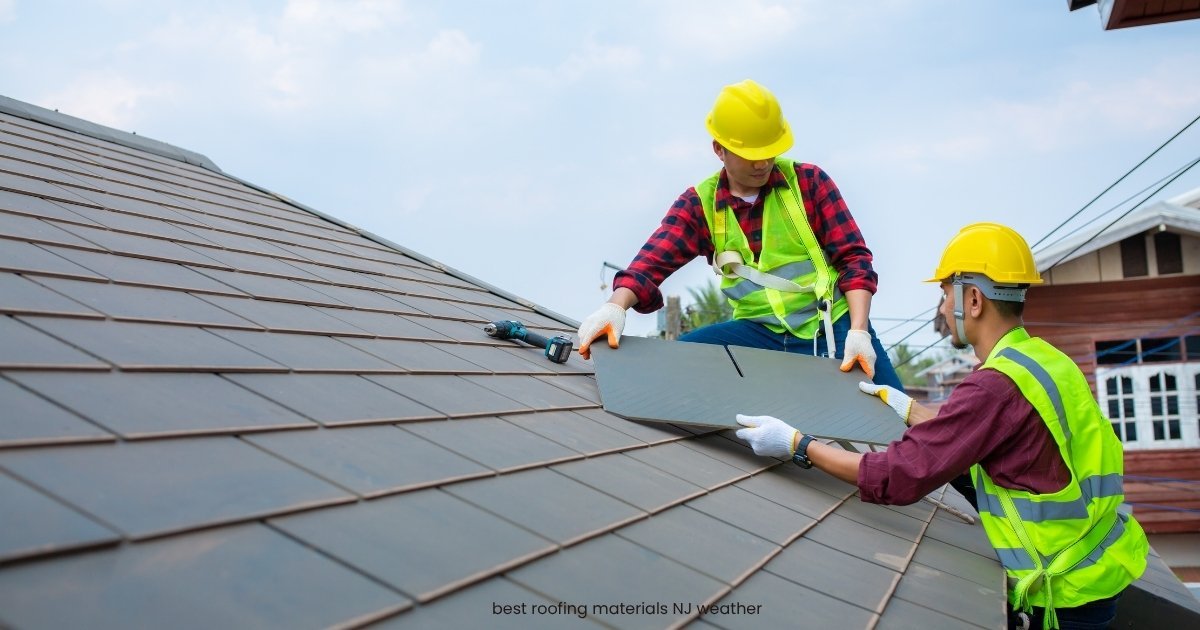
A tear-off includes removing the old covering, loading debris, transporting it, and paying disposal charges. The cost increases when there are several layers, heavy materials, limited driveway access, or a long carry distance to the dumpster.
New Jersey’s code requires removal of the existing roof covering before a new covering is installed when the current roof is water-soaked or too deteriorated to provide a sound base. Removal is also required for certain existing materials and when the roof already has two or more applications of roof covering.
Roof Deck Repairs
The roof deck is usually made from plywood or oriented strand board. It provides the solid base beneath the underlayment and shingles.
Rotten, delaminated, or badly damaged sheets must be replaced. Because the deck is partly hidden until tear-off, no contractor can always predict the exact number of sheets in advance.
The contract should state:
- How much decking replacement is included
- The price per additional sheet
- The thickness and type of replacement material
- Who approves additional work
- How the contractor will document hidden damage
Local estimates commonly place replacement decking at approximately $90 to $150 per sheet, although the actual price depends on material, labor, access, and market conditions.
Underlayment and Ice Protection
Underlayment creates a secondary layer beneath the shingles. Leak-barrier membrane is normally used in vulnerable areas such as eaves, valleys, sidewalls, chimneys, and penetrations, depending on the roof design and installation specifications.
Ask the contractor to identify the exact underlayment and leak-barrier products. Terms such as “felt” or “waterproofing” are too broad for a detailed comparison.
Flashing and Penetrations
Flashing directs water away from roof transitions and penetrations. Important locations include:
- Chimneys
- Skylights
- Sidewalls and headwalls
- Plumbing vents
- Valleys
- Roof-to-wall intersections
- Exhaust vents
Reusing old flashing may lower the initial proposal, but it can leave aging components inside an otherwise new roof system. The contract should clearly say whether flashing will be replaced, reused, or evaluated after tear-off.
Ventilation
Balanced attic ventilation usually combines low intake vents with higher exhaust vents. A contractor should examine the entire airflow path rather than automatically adding a ridge vent.
Installing more exhaust ventilation without enough intake air may fail to solve the underlying problem. Bath fans and kitchen exhaust systems should also terminate correctly rather than releasing moist air into the attic.
Factors That Increase the Final Roof Price
Several conditions can move a project from the middle of the range to the high end.
Roof Pitch
A steep roof requires more safety equipment, slower movement, and additional labor. Some slopes may require roof jacks, scaffolding, lifts, or special fall-protection procedures.
Roof Shape
A simple gable roof is generally easier to replace than a roof with:
- Multiple valleys
- Cross gables
- Dormers
- Turrets
- Low-slope transitions
- Several chimneys
- Many skylights
- Attached additions
Every intersection creates cutting, flashing, and waterproofing work.
Building Height and Access
A one-story home with an open driveway is usually easier to service than a three-story property with a narrow side yard. Fences, landscaping, overhead wires, neighboring buildings, and limited parking can affect labor and disposal planning.
Existing Roof Layers
Each additional layer takes more time to remove and creates more waste. Multiple layers can also hide damaged decking or old flashing details.
Chimneys and Skylights
Chimneys may require new step flashing, counterflashing, cricket work, masonry repair, or sealant replacement. Skylights may need new flashing kits or full replacement.
A homeowner should not assume that skylight work is included unless it appears in the written scope.
Gutter and Fascia Conditions
Gutters may need to be removed or protected. Damaged fascia boards can prevent secure drip-edge or gutter installation. Rotted trim discovered during the project may become a change order.
Solar Panels
Solar panels normally need to be removed before roofing and reinstalled afterward. The roofer and solar provider must coordinate scheduling, mounting, electrical shutdown, storage, and warranty responsibilities.
Coastal Exposure
Homes near the Jersey Shore may need materials and fastening methods suited to wind, moisture, and salt exposure. Product selection should be based on the property’s actual conditions and the manufacturer’s approved installation requirements.
Do You Need a Permit to Replace a Roof in New Jersey?
For detached one- and two-family dwellings, the repair or replacement of an existing roof covering is classified as ordinary maintenance under the New Jersey Uniform Construction Code. Ordinary maintenance does not require a construction permit, inspection, or notice to the enforcing agency.
However, this rule does not mean every roof-related project is automatically permit-free. Structural work is not ordinary maintenance. A permit or additional approval may be needed when the project includes changes to rafters, trusses, load-bearing components, roof shape, occupancy, or other regulated systems.
Historic properties, condominium associations, planned communities, and local architectural review districts may also have separate approval requirements.
The safest process is to have the contractor confirm the scope with the local construction office before work begins. The homeowner should obtain the answer in writing when the project includes structural repairs or unusual conditions.
Will Homeowners Insurance Pay for a Roof Replacement?
Homeowners insurance may help when the roof is damaged by a sudden covered event, such as wind, hail, fire, or falling debris. It generally does not pay for a roof that has reached the end of its service life through normal deterioration, neglected maintenance, or long-term leakage.
Coverage depends on the policy. Important terms include:
- Replacement cost value: May pay the covered replacement cost, subject to policy terms and deductible.
- Actual cash value: Subtracts depreciation based on age and condition.
- Deductible: The amount the homeowner must pay before coverage applies.
- Exclusions: Events or conditions the policy does not cover.
- Matching rules and limitations: May affect payment when identical materials are unavailable.
New Jersey’s insurance guidance notes that coverage and replacement-cost requirements depend on the policy and insured value. Homeowners should review the declarations page and speak directly with their insurer before assuming a claim will pay for the project.
Document suspected storm damage promptly. Take safe ground-level photographs, save maintenance records, and avoid signing an assignment or open-ended contract before understanding the claim and payment terms.
Roof Financing Options
Homeowners who are not using insurance may consider:
- Contractor financing
- Home equity loans
- Home equity lines of credit
- Personal home improvement loans
- Credit union financing
- Cash payment plans
Compare the annual percentage rate, loan term, total interest, origination fees, prepayment terms, and required monthly payment.
A “low monthly payment” can still produce a high total cost when the repayment period is long. Request the full financed price in writing before signing.
How to Save Money Without Cutting Important Corners
A roof is not the right place to choose quality based only on the lowest number. Still, homeowners can control costs through careful planning.
Get at Least Three Detailed Proposals
Each contractor should quote the same general scope. Compare:
- Shingle manufacturer and product line
- Underlayment
- Leak-barrier membrane
- Starter and ridge products
- Flashing replacement
- Ventilation work
- Decking allowance
- Disposal
- Property protection
- Cleanup
- Workmanship warranty
- Payment schedule
A one-page price with no material details is difficult to compare against a complete roof-system proposal.
Schedule Before an Emergency
A planned replacement gives the homeowner time to inspect the roof, compare companies, review financing, and choose materials. An active leak can force a rushed decision and may cause additional interior repairs.
Choose Value-Level Materials
Architectural asphalt shingles often provide a practical balance between upfront cost and appearance. Designer shingles, natural slate, and specialty metal products may be attractive, but they are not necessary for every property.
Keep the Existing Layout When Appropriate
Changing rooflines, adding dormers, or altering ventilation structures can expand the project from a covering replacement into structural construction. Keeping the existing design can reduce engineering, material, and permit-related costs.
Ask for Unit Prices
Written unit prices for plywood, fascia, and other possible repairs reduce uncertainty. They also make change orders easier to review.
How to Select a New Jersey Roofing Contractor
New Jersey requires businesses engaging in covered home improvement work to maintain the appropriate state registration or licensing status unless an exemption applies. Consumers should verify the contractor directly through the New Jersey Division of Consumer Affairs rather than relying only on a number printed on a truck or proposal.
Before signing, request:
- Current New Jersey contractor registration or license information
- General liability insurance certificate
- Workers’ compensation information when applicable
- Recent local references
- Written material specifications
- Workmanship warranty
- Manufacturer certification claims in writing
- Project schedule
- Cleanup and property-protection plan
- Payment terms
- Change-order procedure
Warning Signs
Be cautious when a contractor:
- Demands full payment before materials arrive
- Pressures you to sign immediately
- Refuses to provide proof of insurance
- Uses only a company name with no physical business information
- Cannot explain the proposed ventilation system
- Leaves flashing, decking, and disposal out of the scope
- Promises that insurance will definitely pay
- Asks you to obtain approvals that the contract says the company will handle
- Provides a price far below every comparable estimate
A lower bid may be legitimate, but the contractor should be able to explain the difference clearly.
What Happens During a Roof Replacement?
A standard project generally follows these stages:
- Inspection and measurement: The contractor documents the roof and prepares the scope.
- Material selection: The homeowner chooses the system, color, warranty level, and optional upgrades.
- Scheduling: Materials, dumpster placement, weather, access, and crew availability are coordinated.
- Property protection: Tarps, plywood, catchment systems, or other barriers protect siding, landscaping, doors, and windows.
- Tear-off: Old materials are removed to expose the deck.
- Deck inspection: Damaged wood is documented and replaced as approved.
- System installation: Drip edge, leak barrier, underlayment, flashing, shingles, ridge products, and ventilation are installed.
- Cleanup: Debris is removed, gutters are cleared, and the area is checked for nails.
- Final walkthrough: The homeowner reviews completed work, warranties, photos, and remaining payment.
Many straightforward residential asphalt roofs can be installed in one or two working days, but weather, size, structural repairs, specialty materials, and complicated details can extend the timeline. Local New Jersey contractors commonly describe one- to two-day installation windows for standard homes.
Frequently Asked Questions
1. How much does it cost to replace a 2,000-square-foot roof in New Jersey?
A 20-square architectural asphalt roof commonly falls between approximately $12,000 and $18,000 under straightforward conditions. Steep pitch, several roof sections, extensive plywood damage, difficult access, or premium materials can raise the price.
2. Is roof area the same as the square footage of the house?
No. The roof surface is affected by pitch, overhangs, garages, porches, dormers, and the number of stories. A contractor must measure the roof rather than relying only on the home’s interior floor area.
3. Do I need a roof permit in New Jersey?
Replacement of an existing roof covering on a detached one- or two-family dwelling is generally considered ordinary maintenance and does not require a construction permit. Structural alterations and other regulated work may require approval, so the contractor should confirm the specific scope with the local construction office.
4. Can new shingles be installed over old shingles?
An overlay may be possible in limited circumstances, but it is not appropriate when the existing covering is wet, badly deteriorated, made from certain materials, or already has two or more roofing applications. New Jersey’s rehabilitation code identifies conditions that require removal before a new covering is installed.
5. What is the best roofing material for most New Jersey homes?
Architectural asphalt shingles are a practical choice for many homes because they balance cost, appearance, product availability, and installation time. Metal or premium synthetic systems may make sense when the homeowner prioritizes long-term ownership, a particular appearance, or specialty performance.
6. What is the most common hidden roof replacement expense?
Damaged decking is one of the most common uncertain expenses because much of the wood cannot be fully examined until the old covering is removed. Written unit pricing for replacement sheets helps prevent surprises.
7. Will insurance replace an old roof?
Insurance generally does not replace a roof simply because it is old. Coverage may apply when a covered event causes direct damage, but payment depends on the policy, deductible, depreciation method, exclusions, and documented cause.
8. What time of year is best for roof replacement in New Jersey?
Spring and fall often provide moderate working conditions, but qualified contractors install roofing throughout much of the year when temperature, wind, precipitation, and manufacturer requirements allow. Scheduling before a leak becomes urgent is more important than waiting for one perfect month.
9. How much should I pay as a deposit?
The payment schedule should match the contract, material ordering, and project progress. Avoid paying the entire contract price before work begins. Confirm that deposits, financing, cancellation rights, and progress payments comply with the written agreement and applicable New Jersey consumer rules.
10. How long should a new asphalt roof last?
Service life depends on product quality, installation, ventilation, weather exposure, roof slope, maintenance, and surrounding trees. Architectural asphalt systems are commonly marketed for longer service than basic three-tab shingles, but no roof life can be guaranteed by material type alone.
Final Thoughts
A realistic New Jersey asphalt roof budget is often between $9,500 and $26,000 or more, with many standard homes falling in the middle of that range. Roof size establishes the starting point, but the final cost also depends on pitch, design, removal, damaged wood, flashing, ventilation, access, and material quality.
Set aside a contingency for hidden decking and trim damage, especially on an older home or a roof with a history of leaks. Obtain several itemized proposals, verify the contractor’s state status, and insist on exact product names and written unit prices.
A well-planned roof replacement is more than a new layer of shingles. It is a complete water-management and ventilation system designed to protect the home for years to come. Contact Genesis Roofing & Exteriors today.
