
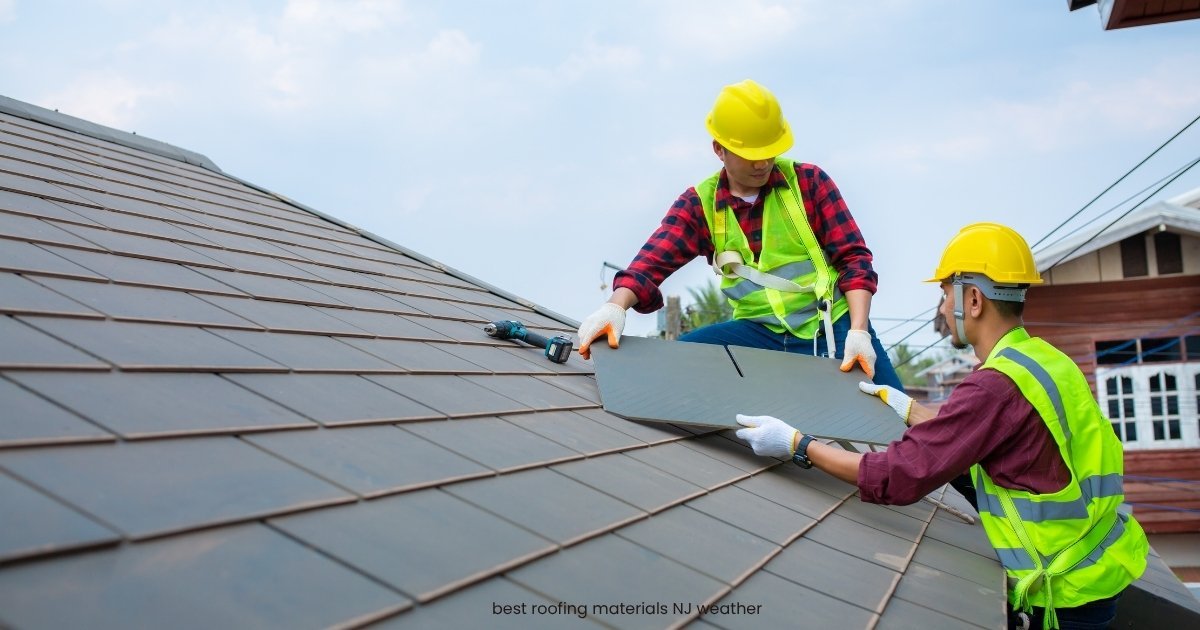
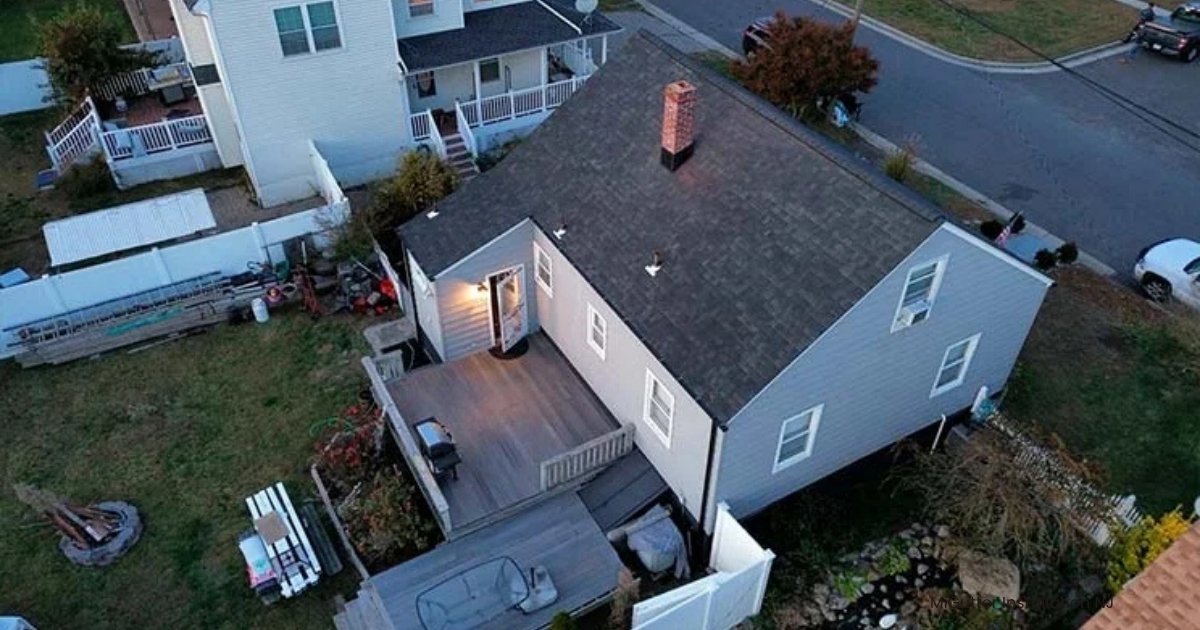
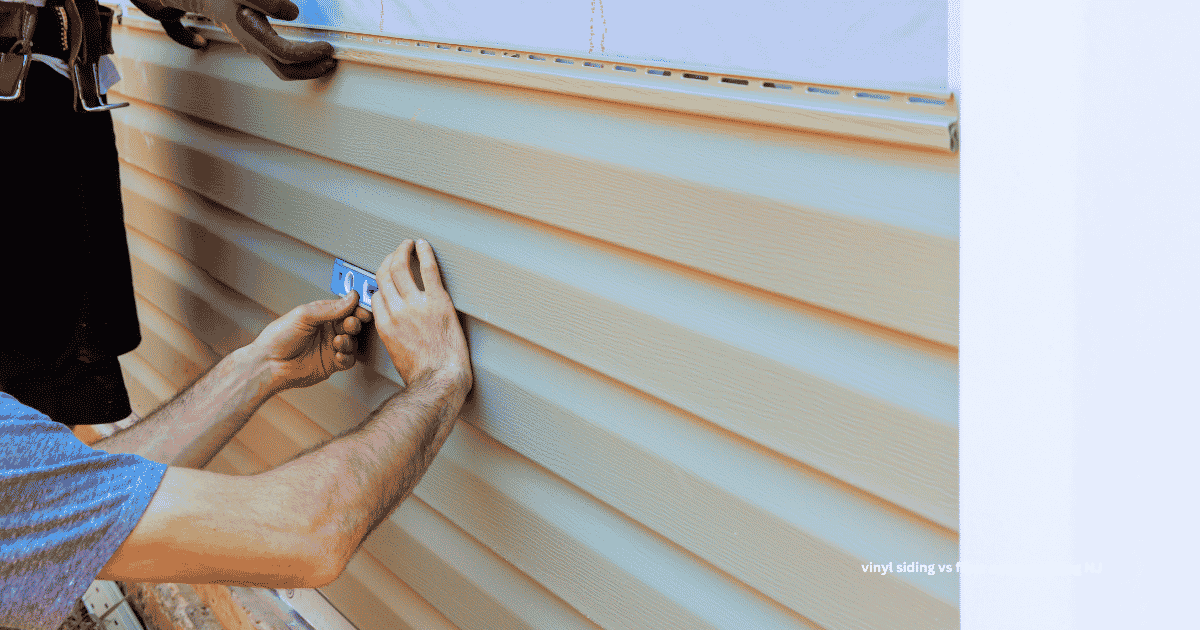
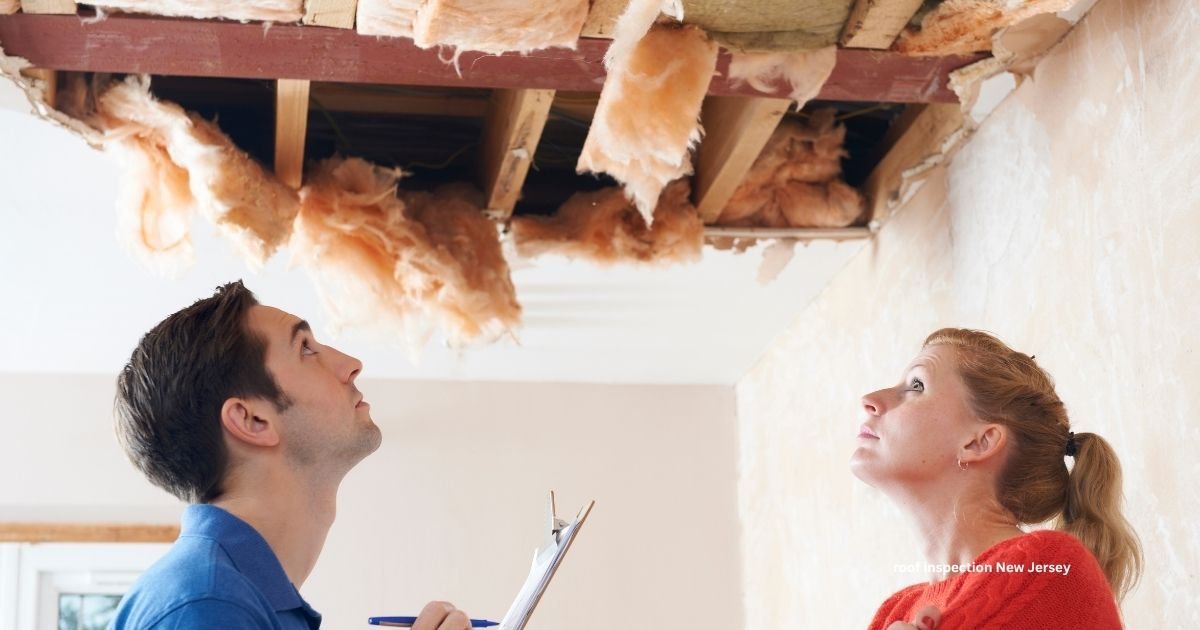
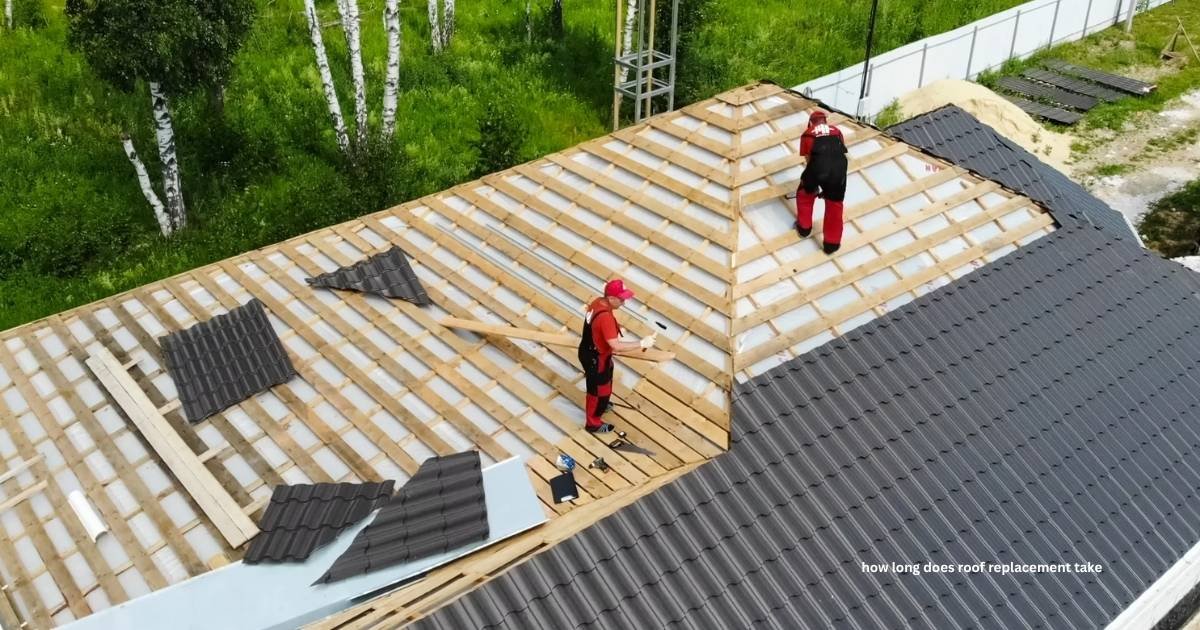
A full roof replacement may sound like a long and disruptive construction project. Fortunately, the active installation is often much faster than homeowners expect. A professional crew may be able to remove and replace an average asphalt shingle roof in one or two working days when the weather is favorable and the roof is easy to access.
However, the time spent working on the roof is only one part of the complete project. Inspection, material selection, scheduling, delivery, cleanup, and unexpected wood repairs can extend the overall schedule.
For homeowners asking how long does roof replacement take, a reasonable planning estimate for a standard New Jersey asphalt shingle roof is one to three active installation days. The full process, beginning with the first inspection and ending with the final walkthrough, may take one to several weeks depending on contractor availability, material delivery, weather, and the condition of the existing roof.
GAF notes that an average asphalt shingle roof can often be replaced in one to two days, although roof complexity, damaged decking, ventilation work, access, and weather can add time. Owens Corning also explains that material and dumpster deliveries may occur several days before installation begins.
Genesis Roofing & Exteriors provides inspections, repairs, and complete roof replacement services in Clifton and throughout North and Central New Jersey. A detailed inspection is the best way to receive a dependable schedule for your specific property.
Direct Answer: How Long Does Roof Replacement Take in New Jersey?
For a typical single-family home with architectural asphalt shingles, the active installation usually falls within the following planning ranges:
| Project condition | Estimated active installation time |
|---|---|
| Small, simple asphalt shingle roof | 1 day |
| Average asphalt shingle roof | 1–2 days |
| Large or moderately complex shingle roof | 2–4 days |
| Roof with damaged decking or several layers | 3–5 days or longer |
| Complex specialty or metal roofing system | Several days or more |
| Project involving structural repairs | Based on the repair scope |
These are planning estimates rather than guaranteed completion times. The roofing contractor should provide a project-specific timeline after measuring the roof, reviewing access, examining visible damage, and discussing the selected roofing system.
Active Installation Time Versus the Complete Project Schedule
Homeowners often hear that a roof can be completed in one day and assume that the entire process will begin immediately after they request an estimate. In reality, there are two separate schedules.
The active installation time covers the days when the crew is physically working on the home. It may include:
- Protecting the property
- Removing old shingles
- Inspecting and repairing the roof deck
- Installing underlayment and leak barriers
- Replacing flashing and roof accessories
- Installing shingles
- Cleaning the property
- Completing a final review
The complete roof replacement timeline begins earlier. It may include the initial phone call, roof inspection, proposal review, financing or insurance decisions, color selection, product ordering, scheduling, delivery, installation, and final documentation.
A roof that requires only two installation days could therefore have a complete project schedule of two or three weeks. During a busy storm season, the waiting period may be longer.
Typical Timeline for an Asphalt Shingle Roof
Architectural asphalt shingles are widely used on New Jersey homes because they offer a practical balance of appearance, performance, and installation efficiency. On a straightforward roof, a well-organized crew can often complete the tear-off and installation within one or two days.
A simple roof usually has:
- One existing roofing layer
- A moderate pitch
- Few valleys or dormers
- Good driveway access
- Limited wood damage
- No major chimney, skylight, or solar work
- Favorable weather
A larger home with steep slopes, several roof sections, old flashing, or hidden moisture damage will require more labor. In that situation, a three- to five-day schedule may be more realistic.
The New Roof Installation Process From Inspection to Completion
Understanding the new roof installation process makes the schedule easier to follow. It also helps homeowners separate normal project activity from unexpected delays.
Genesis Roofing & Exteriors follows a process that includes inspection, recommendations, material selection, professional installation, cleanup, and a final review.
Step 1: Roof Inspection and Project Estimate
The project begins with a roof inspection. The contractor evaluates the visible roofing surface and may also review the attic when it is safe and accessible.
Important inspection points include:
- Missing, cracked, or curled shingles
- Soft or sagging areas
- Damaged flashing
- Active or previous leaks
- Chimneys and skylights
- Plumbing vents and roof penetrations
- Gutters and drainage
- Attic moisture
- Intake and exhaust ventilation
- The number of existing roof layers
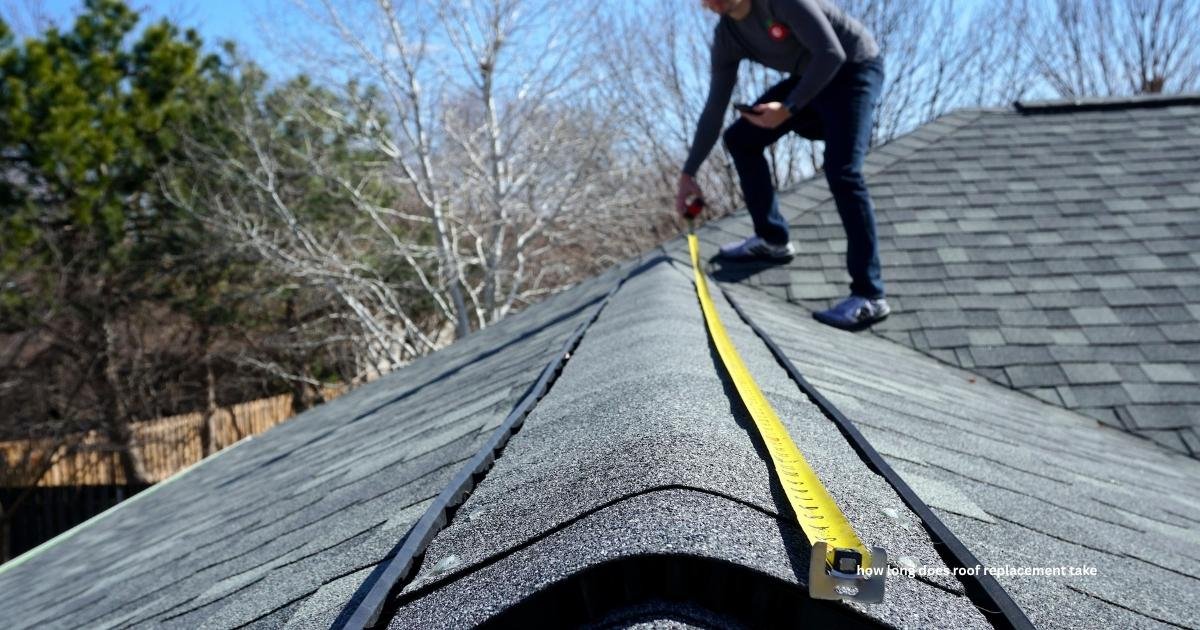
The contractor also measures the roof and reviews its pitch, height, and shape. These details affect the amount of material, disposal volume, safety planning, and labor required.
After the inspection, the homeowner should receive a written proposal. A complete proposal should explain the roofing materials, tear-off process, underlayment, flashing, ventilation, decking charges, cleanup, warranty information, payment schedule, and estimated completion time.
This early stage may take one day to more than a week, depending on appointment availability and how quickly the homeowner reviews the options.
Step 2: Material Selection and Scheduling
Once the proposal is approved, the homeowner selects the shingle style, color, and roofing system components.
Material selection may include:
- Architectural asphalt shingles
- Starter shingles
- Ridge-cap shingles
- Synthetic underlayment
- Ice-and-water protection
- Drip edge
- Pipe boots
- Valley materials
- Intake and exhaust vents
- Chimney or skylight flashing
Common products may be available quickly. Specialty colors or less common roofing materials may require additional ordering time.
The contractor then selects an installation date based on crew availability, delivery schedules, and the weather forecast. Asphalt shingles and other materials may arrive on the morning of installation or several days earlier. A dumpster may also be delivered one or two days before work begins.
Homeowners should ask where the materials and dumpster will be placed. Proper planning prevents blocked vehicles, damaged pavement, and unnecessary jobsite delays.
Step 3: Property Protection and Roof Tear-Off
On installation day, the crew begins by preparing the property. Tarps, plywood, or other protective materials may be placed around landscaping, windows, doors, siding, and air-conditioning equipment.
The contractor should also create safe work zones for ladders, tools, material movement, and debris disposal.
The crew then removes the existing roof covering. A basic tear-off may take several hours, but the exact time depends on:
- Roof size
- Number of shingle layers
- Type of existing material
- Roof pitch
- Height of the building
- Distance to the dumpster
- Number of nails and accessories
- Condition of the underlying deck
Removing two old roofing layers takes longer than removing one. It also produces more debris and may reveal problems that could not be seen during the initial inspection.
What Happens When the Roof Deck Is Exposed?
The roof deck is the wood surface beneath the shingles and underlayment. It is commonly made from plywood or oriented strand board.
Once the old roofing material is removed, the crew can identify soft, rotten, delaminated, or broken sections. Damaged decking must be corrected before the new roofing system is installed.
GAF explains that hidden decking repairs may add several hours or even an additional day to the project.
A professional proposal should state:
- Whether any wood replacement is included
- The price for additional sheets
- The type and thickness of replacement decking
- How unexpected repairs will be approved
- Whether photographs will document the damage
Hidden damage is one of the most common reasons a one-day project becomes a two-day project. This does not necessarily indicate poor planning. A contractor cannot fully inspect wood that is covered by old roofing materials.
Step 4: Underlayment, Flashing, Ventilation, and Shingles
After the deck is sound, the crew begins installing the new roofing system.
The work may include:
- Installing drip edge where required
- Applying ice-and-water protection in vulnerable areas
- Covering the deck with approved underlayment
- Installing starter shingles
- Replacing or integrating flashing
- Installing the main shingle field
- Completing hips and ridges
- Sealing and flashing roof penetrations
- Installing or improving ventilation components
This stage often represents the largest part of the installation day.
A simple gable roof allows the crew to work in long, open sections. A roof with many valleys, dormers, sidewalls, chimneys, or skylights requires more cutting and flashing. GAF identifies steep slopes, intersecting roof planes, angles, and penetrations as conditions that can increase installation time.
Ventilation can also affect the schedule. If the attic does not have adequate intake or exhaust ventilation, the contractor may recommend improvements as part of the replacement. Correcting ventilation requires additional material and labor but may help the entire roofing system perform as intended.
Step 5: Cleanup and Final Quality Review
Cleanup should be part of the project rather than an afterthought.
The crew typically:
- Removes loose shingles and packaging
- Collects nails and small debris
- Clears gutters when included in the scope
- Sweeps walkways and driveways
- Uses magnetic tools to collect metal debris
- Removes protective coverings
- Loads remaining waste
- Checks the surrounding property
The contractor then completes a final review. This may include checking the shingle installation, flashing, ridge caps, roof penetrations, ventilation, gutters, and overall jobsite condition.
The homeowner should receive information about:
- Manufacturer product documentation
- Contractor workmanship coverage
- Maintenance recommendations
- Final photographs when available
- Payment balance
- Who to contact with questions
Genesis Roofing & Exteriors describes site cleanup, final inspection, and customer approval as parts of its roofing process.
Nine Factors That Can Change a Roof Replacement Timeline
No two roofs are exactly alike. The following nine factors have the greatest effect on how quickly the work can be completed.
1. Roof Size
A larger roof requires more tear-off, underlayment, shingles, flashing, fastening, and cleanup.
Contractors measure the actual roof surface rather than relying only on the home’s interior square footage. A one-story ranch may have more roof area than a two-story home with the same amount of living space.
2. Roof Pitch
A low or moderate pitch is generally easier to access than a steep roof. Steep slopes may require roof jacks, harnesses, scaffolding, or other safety systems.
These precautions are essential, but they can reduce the speed at which materials and workers move across the roof. GAF notes that steep roofs require specialized safety equipment and may take longer to complete.
3. Roof Design and Complexity
A simple gable roof is normally faster to replace than a roof containing:
- Multiple valleys
- Cross gables
- Dormers
- Turrets
- Low-slope transitions
- Several chimneys
- Skylights
- Attached additions
- Numerous wall intersections
Every transition requires careful cutting, sealing, or flashing. Good roofing work should not be rushed at these vulnerable areas.
4. Roofing Material
Architectural asphalt shingles are normally faster to install than many specialty systems.
Metal panels, metal shingles, slate, tile, wood, and specialty synthetic products may require different tools, preparation, fastening methods, and installation skills. Some specialty products also have longer ordering times.
The contractor should explain whether the estimated schedule covers working days only or also includes material lead time.
5. Existing Roofing Layers
A single layer of shingles is usually faster to remove than two or more layers.
Multiple layers increase:
- Tear-off labor
- Disposal weight
- Dumpster volume
- Nail removal
- Cleanup time
- The possibility of concealed damage
An older roof may also contain repairs completed at different times, creating uneven surfaces or unexpected flashing details.
6. Hidden Decking or Structural Damage
Minor plywood replacement may add only a few hours. Widespread rot, sagging, damaged rafters, or other structural concerns can significantly expand the project.
Structural work should be evaluated separately from a standard roof-covering replacement. The contractor may need to pause, document the condition, obtain approval, and coordinate additional work.
7. New Jersey Weather
Weather is one of the most important variables in a roof replacement timeline.
Rain can prevent tear-off or force the contractor to complete the roof in safe sections. Morning frost may delay the crew’s start. Strong winds can make material handling unsafe. Extreme heat may require more breaks and careful planning.
GAF recommends asking the contractor about weather contingencies before installation begins.
New Jersey’s seasonal conditions can include summer thunderstorms, winter frost, snow, and rapidly changing forecasts. A responsible contractor may reschedule rather than expose the home or crew to unnecessary risk.
A weather delay is inconvenient, but protecting the open roof is more important than meeting an unrealistic deadline.
8. Property Access and Jobsite Logistics
An open driveway with clear access makes material delivery and debris removal easier.
Work may take longer when the property has:
- Narrow side yards
- Closely spaced neighboring homes
- Fences
- Mature landscaping
- Limited parking
- Overhead wires
- Long distances between the roof and dumpster
- Fragile patios or walkways
- Limited ladder locations
GAF identifies difficult access and jobsite preparation as factors that may add hours to a project.
9. Chimneys, Skylights, Solar Panels, and Ventilation
Roof-mounted features require extra coordination.
Chimneys may need new step flashing or counterflashing. Skylights may need new flashing kits or replacement. Solar panels generally require removal and reinstallation by qualified providers. Ventilation corrections can involve soffit vents, ridge vents, or other components.
The written proposal should clearly state which work is included and which services require a separate contractor.
New Jersey Permit Considerations
Permit requirements can affect planning, especially when the work extends beyond replacing the roof covering.
New Jersey Department of Community Affairs guidance states that replacing a roof covering on a detached one- or two-family dwelling is generally treated as ordinary maintenance under the state Uniform Construction Code. However, structural work, electrical changes, roof-shape alterations, and other regulated work may require a permit or additional review.
Homeowners should not assume that every project is permit-free. The scope should be confirmed with the local construction office when the work includes:
- Rafters or trusses
- Load-bearing repairs
- Changes to the roofline
- Solar electrical connections
- Major framing replacement
- A change in building use
- Commercial or multifamily property
- Historic or association restrictions
The official New Jersey Department of Community Affairs construction permit resource explains the difference between work requiring a permit, minor work, and ordinary maintenance.
Read and be up to date on all local roofing news at the Owens Corning Contractor Network page.
Important note about structural work
Permit rules and local approval requirements can vary according to the exact property and scope. The contractor or property owner should confirm unusual work with the municipality before construction begins.
How Homeowners Can Prevent Unnecessary Delays
Good preparation can make a roofing project safer and more efficient.
Before Installation Day
Homeowners should:
- Confirm the start date and expected working hours
- Ask where materials will be delivered
- Ask where the dumpster will be placed
- Move vehicles away from the garage and driveway
- Remove outdoor furniture, toys, planters, and grills
- Secure fragile items on walls and shelves
- Unlock gates
- Mark irrigation heads or hidden landscape features
- Cut the grass so loose nails are easier to locate
- Inform neighbors about expected noise
- Make arrangements for children and pets
- Discuss satellite dishes, solar panels, and exterior wiring
- Confirm how unexpected wood repairs will be approved
Owens Corning recommends clearing work areas and arranging alternate vehicle parking before installation. It also notes that dumpster and material deliveries may occur before the roofing crew arrives.
During the Project
Avoid walking through active work zones. Roofing debris, tools, ladders, and materials can create hazards.
Keep communication focused through the assigned project manager or contractor representative. Ask for updates when hidden damage is discovered or weather changes the schedule.
After Completion
Walk around the property with the contractor when possible. Review the completed work, cleanup, warranty documents, and maintenance recommendations.
Keep copies of:
- The signed proposal
- Change orders
- Product details
- Warranty registration
- Final invoice
- Before-and-after photographs
- Permit or approval records when applicable
These records may be useful for future maintenance, insurance questions, or the sale of the property.
Frequently Asked Questions
Can a New Jersey roof be replaced in one day?
Yes. A small or average asphalt shingle roof with a simple design, good access, one existing layer, limited deck damage, and favorable weather may be completed in one day.
However, homeowners should not choose a contractor only because of a one-day promise. Proper flashing, ventilation, deck repairs, property protection, and cleanup are more important than speed.
Will I need to leave my home during roof replacement?
Most homeowners can remain in the house. The work will be noisy, and vibration may be noticeable while the crew removes and fastens roofing materials.
People who work from home, sleep during the day, have noise-sensitive children, or care for anxious pets may prefer to spend installation hours elsewhere.
What happens if it rains during the project?
A professional contractor watches the forecast and plans the tear-off in manageable sections. The crew should avoid exposing more decking than it can safely protect.
Unexpected rain may delay the work or move the completion date to the following dry day. Ask the contractor how exposed areas and materials will be protected if the weather changes.
Does damaged plywood add another day?
A few damaged sheets may add only a short amount of time. Extensive rot or widespread deck replacement may add a full day or longer.
The contractor should document the damage and explain the added cost before completing substantial work outside the original agreement.
Does the roofing material change the installation time?
Yes. Asphalt shingles can often be installed quickly by an experienced crew. Metal, slate, tile, wood, and specialty systems may take longer because they require different preparation, fastening, cutting, or flashing methods.
Material availability may also affect the date on which the project can begin.
What is the best season for a roof replacement in New Jersey?
Roof replacement can be completed during several seasons when conditions meet the roofing product’s installation requirements and the crew can work safely.
Spring and fall often provide moderate temperatures, but they may also be busy scheduling periods. Summer heat, winter frost, rain, snow, and strong winds can affect daily work. The best date is a dry, safe weather window with the required materials and crew available.
How long does the complete process take before installation begins?
The pre-installation period may range from several days to several weeks. It includes inspection, proposal review, financing or insurance decisions, material selection, ordering, delivery, and scheduling.
Emergency conditions may receive faster attention, while specialty materials or peak-season demand may require a longer wait.
Should I replace gutters at the same time as the roof?
Not always. Gutters in good condition may only need to be protected during roofing work.
Replacement may be useful when gutters are damaged, improperly sized, pulling away from rotten fascia, or near the end of their service life. The roofing and gutter scopes should be clearly separated in the proposal.
Plan Your New Jersey Roof Replacement With Confidence
Most asphalt shingle replacements are measured in days rather than weeks once active installation begins. Still, the most accurate schedule depends on the roof’s size, pitch, design, materials, access, weather, and hidden condition.
A clear inspection and detailed written proposal are the best tools for setting realistic expectations. Homeowners should also ask how the contractor handles weather, damaged decking, flashing, ventilation, cleanup, and changes to the original scope.
Genesis Roofing & Exteriors helps homeowners understand their roof’s condition, compare replacement options, and plan the project from inspection through final cleanup. The company serves Clifton and communities throughout North and Central New Jersey.
Learn more about professional roof replacement services or schedule a roof inspection to receive a project-specific recommendation and estimated timeline.
