Severe weather can pass in a matter of minutes, but the damage it leaves behind may continue affecting your roof for months. Strong wind can lift shingles, flying debris can damage flashing, and heavy rain can enter through openings that are almost impossible to see from the ground.
Homeowners searching for storm damage roof repair New Jersey services often aren’t sure whether they have a minor repair, a serious leak, or enough damage to justify a full replacement. The most important first step is to stay safe and arrange a qualified inspection before a small opening becomes a larger problem.
Genesis Roofing & Exteriors provides roof inspections and storm-related repair services in Clifton and communities throughout North and Central New Jersey. This guide explains the warning signs to look for, the actions to take after severe weather, how professional inspections work, and what homeowners should know before starting an insurance claim.
The Quick Answer for New Jersey Homeowners
After a major storm, inspect your property from a safe location. Look for missing or shifted shingles, roofing material on the ground, damaged gutters, fallen branches, ceiling stains, active dripping, or moisture in the attic.
Do not walk on the roof yourself. A storm-damaged surface may be wet, unstable, or weakened in places that are not obvious.
Take photographs, protect your belongings from active leaks, review your insurance policy, and schedule a professional roof inspection. If water is actively entering the home or part of the roofing system is exposed, request emergency roof repair as soon as it is safe to do so.
How New Jersey Storms Can Damage a Roof
New Jersey roofs may be exposed to thunderstorms, strong wind, hail, wind-driven rain, coastal weather systems, winter storms, and falling tree limbs. Each event can affect a roofing system differently.
Some damage is immediate and easy to recognize. A large branch may puncture the roof, or several shingles may land in the yard. Other problems develop quietly. A shingle may remain in place but lose its seal, allowing water to move beneath it during the next rainstorm.
Roof age, installation quality, material type, drainage, tree coverage, previous repairs, and existing wear all influence how well a roof performs during severe weather. That is why two neighboring homes can experience very different results from the same storm.
Wind-Lifted, Creased, and Missing Shingles
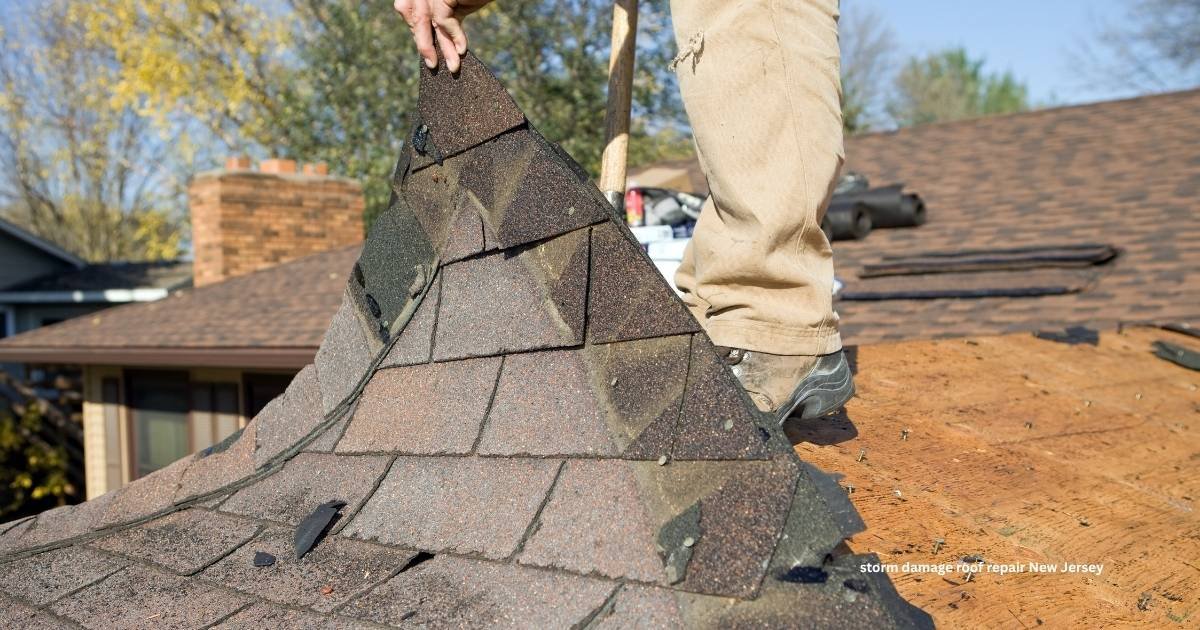
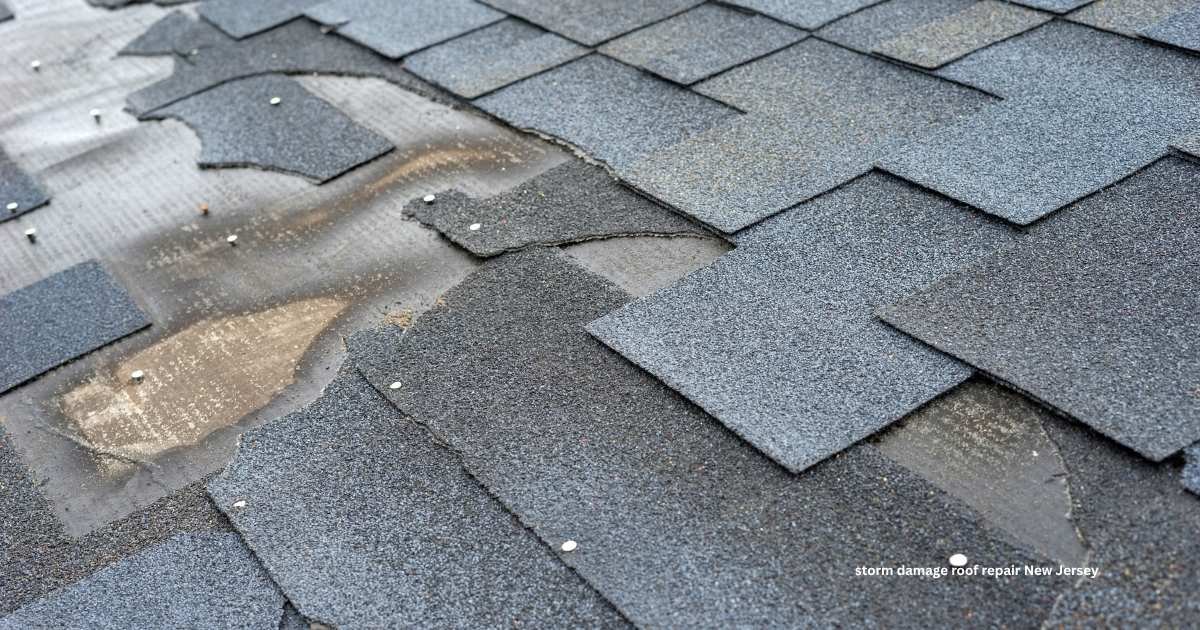
Strong wind does not have to remove an entire shingle to cause damage. Wind may lift the edge, break the adhesive seal, loosen fasteners, or create a crease across the shingle.
Once the seal has failed, the affected shingle may lift again during future storms. Water can then move beneath the roofing material and reach the underlayment, roof deck, insulation, or interior ceiling.
Common signs that may indicate a need for wind damage roof repair include:
- Shingles lying in the yard or near the driveway.
- Empty areas where shingles are no longer covering the roof.
- Shingle edges that appear raised or out of alignment.
- Creased, cracked, curled, or folded shingles.
- Exposed nails or fasteners.
- Loose ridge-cap shingles.
- Damage concentrated along roof edges, corners, or ridgelines.
Finding missing shingles after storm conditions does not automatically mean the entire roof must be replaced. The correct solution depends on the size of the damaged area, the condition and age of the remaining roof, the availability of matching material, and whether water has reached the layers below.
Hail, Heavy Rain, and Falling Debris
Hail may bruise asphalt shingles, loosen protective granules, crack roofing materials, and damage vents, flashing, gutters, skylights, or siding. The resulting marks may be difficult for an untrained person to distinguish from normal aging.
Heavy rain can reveal openings around chimneys, plumbing vents, valleys, skylights, roof-to-wall intersections, and previously repaired areas. Wind-driven rain may enter beneath materials that normally perform well during calm rainfall.
Branches and flying debris can cause anything from surface scratches to punctures in the roof deck. Even when a branch rolls or slides off the roof, it may loosen shingles or bend flashing.
Signs Your Roof May Have Storm Damage
Storm-related roof problems are not always visible from the street. Homeowners should check both the exterior and interior of the property while avoiding unsafe areas.
Exterior Signs Visible From the Ground
Walk around the property only after weather conditions have improved and there are no downed electrical lines, unstable trees, or other hazards.
Look for:
- Missing, lifted, torn, or crooked shingles.
- Shingle pieces or roofing granules near downspouts.
- Bent or detached gutters.
- Damaged fascia, soffits, or siding.
- Dented metal vents, flashing, or gutter sections.
- Branches resting on the roof.
- Visible punctures or exposed roof decking.
- Debris collected in roof valleys.
- Damaged chimney caps.
- Loose flashing around roof penetrations.
Binoculars or a phone camera with zoom may help you observe the roof from the ground. However, a ground-level view cannot confirm the full condition of the roofing system.
Interior and Attic Warning Signs
Check ceilings, upper-level walls, closets, and the attic when it is safe to enter. Warning signs include:
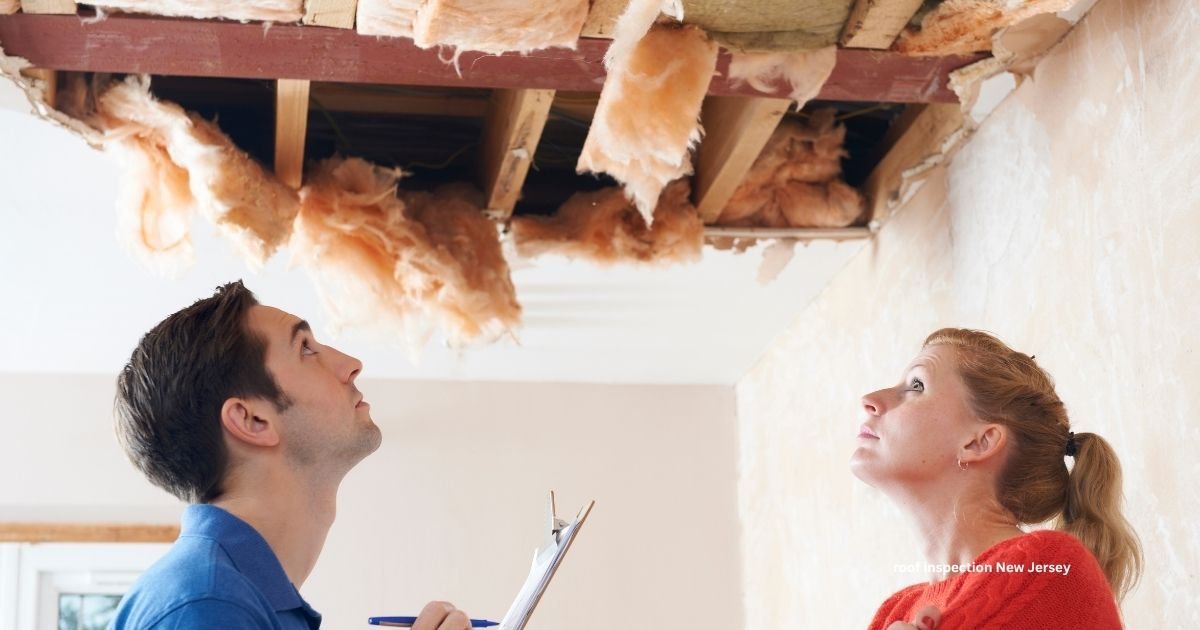
- New ceiling stains or discolored drywall.
- Active dripping.
- Damp insulation.
- A musty odor.
- Peeling paint or bubbling wall surfaces.
- Water marks around chimneys, vents, or skylights.
- Daylight visible through the roof deck.
- Darkened or wet wood in the attic.
- Unexplained moisture near exterior walls.
Water does not always drip directly below the roof opening. It can travel along rafters, decking, pipes, or insulation before becoming visible. For that reason, the location of an interior stain may not reveal the exact source of the leak.
What to Do Immediately After a Storm
A calm, organized response can help protect your household and produce better documentation for the contractor and insurance company.
1. Put Safety First
Do not go onto a wet or damaged roof. Stay away from fallen power lines, unstable branches, standing water near electrical equipment, and rooms with sagging ceilings.
When part of a ceiling appears swollen or bowed, keep people and pets away from the area. Saturated drywall and insulation can become heavy and may fall without warning.
For an active interior leak, place a bucket beneath the dripping area and move furniture, electronics, rugs, and valuables away from the water.
2. Document the Damage Safely
Take photographs and videos before moving debris or beginning temporary work, provided it is safe to do so. Record the date of the storm, when you first noticed the damage, and any changes that occur.
Keep a simple written log of:
- Visible damage.
- Rooms affected.
- Conversations with the insurer.
- Contractor visits.
- Temporary repairs.
- Receipts and invoices.
- Dates and claim reference numbers.
What Homeowners Should Photograph
Capture wide views that show the location of the damage and closer views that show details. Do not put yourself at risk to obtain a photograph.
Exterior Evidence
Photograph roofing material in the yard, missing shingles, damaged siding, gutters, downspouts, fallen branches, damaged outdoor structures, and any visible openings.
Interior Evidence
Photograph ceiling stains, active leaks, wet insulation, damaged belongings, peeling paint, and moisture in the attic. Include more than one angle and preserve the original image files.
3. Prevent Additional Damage
Homeowners generally have a responsibility to take reasonable steps to limit further damage. This may include moving belongings, placing containers beneath leaks, boarding a broken window, or arranging temporary professional protection.
Do not complete unsafe temporary repairs or make permanent changes before speaking with the insurance company. Save receipts for reasonable emergency expenses and photograph conditions before and after temporary work.
4. Contact Your Insurance Company
Report the loss promptly and ask what documentation the insurer requires. Have the policy number, property address, date of loss, photographs, and a general description of the damage available.
Ask about:
- The applicable deductible.
- Wind or hail deductibles.
- Coverage exclusions.
- The inspection or adjuster process.
- Temporary repair authorization.
- Documentation requirements.
- Deadlines for submitting information.
- Whether damaged materials should be retained.
Coverage varies by policy. Windstorm and hail losses are generally included in standard homeowners coverage, although separate deductibles, restrictions, and exclusions may apply. Flood damage is generally not covered by a standard homeowners policy.
Learn more about how to join a helpful networking resource for roofing contractors at NERCA (Northeast Roofing Contractors Association).
5. Schedule a Professional Inspection
A qualified roofer can assess damage that is difficult or unsafe to see from the ground. The inspection should occur promptly, especially when there is an active leak, exposed decking, widespread shingle displacement, or fallen debris.
Genesis Roofing & Exteriors offers storm damage roof repair services for homeowners in Clifton and surrounding New Jersey communities.
What a Professional Storm Roof Inspection Includes
A storm roof inspection should evaluate the complete roofing system rather than focusing only on the first visible problem.
Depending on the property and roof type, the inspection may include:
- Asphalt shingles or other roof coverings.
- Ridge caps and roof edges.
- Valleys and drainage paths.
- Flashing around walls and chimneys.
- Plumbing vents and roof penetrations.
- Skylights.
- Gutters and downspouts.
- Fascia and soffits.
- Roof decking where visible.
- Attic moisture or ventilation concerns.
- Previous repair areas.
- Signs of wind, hail, debris, or water damage.
The contractor should explain what was found, identify affected areas, and discuss whether repair, monitoring, or replacement is the most practical option.
A good inspection separates storm-related damage from normal aging. It should also identify urgent conditions, such as an opening that is allowing water inside, and long-term concerns that can be addressed through planned maintenance.
Roof Repair Versus Roof Replacement
Not every damaged roof needs replacement. In many situations, a focused repair can restore protection. In others, isolated repairs may not be practical because the storm affected a large portion of the roof or the existing system was already near the end of its useful life.
| Repair May Be Appropriate When | Replacement May Be Considered When |
| Damage is limited to a small area | Damage affects multiple roof slopes |
| The surrounding shingles remain in good condition | Shingles show widespread aging or deterioration |
| Matching materials are available | Matching materials are unavailable or incompatible |
| The roof deck is sound | The roof deck has extensive moisture or structural damage |
| There is one repairable flashing problem | Multiple flashing and penetration areas have failed |
| The roof has performed well before the storm | The roof had recurring leaks before the storm |
| The repair can restore a reliable weather barrier | Repeated repairs would not provide dependable protection |
The decision should be based on inspection findings, roof age, material condition, leak history, repair feasibility, expected performance, and budget. Insurance coverage is a separate issue and does not determine the best technical solution by itself.
What Affects the Cost of Storm-Related Roof Work?
Providing a dependable price without inspecting the property is difficult because storm damage varies widely.
Important cost factors include:
- Size of the affected area.
- Roofing material.
- Roof pitch and accessibility.
- Number of damaged slopes.
- Shingle availability.
- Underlayment condition.
- Roof deck damage.
- Flashing repairs.
- Chimney, skylight, or vent work.
- Emergency protection or tarping.
- Debris removal.
- Permit or code requirements.
- Interior damage related to the leak.
A detailed written estimate should explain the scope of work, materials, labor, cleanup, expected schedule, and any conditions that could change the final price.
Be cautious of estimates based only on a quick street-level view. A lower initial price may not include damaged flashing, underlayment, decking, ventilation components, permits, or cleanup.
Insurance Considerations for New Jersey Homeowners
Homeowners insurance policies differ, so review your own declarations, endorsements, deductibles, exclusions, and claim instructions.
The New Jersey Department of Banking and Insurance recommends contacting the insurance agent or company promptly after a loss. It also advises homeowners to make necessary temporary repairs to protect the property, save receipts, document damaged items, and allow the insurer an opportunity to review the damage before permanent repairs begin.
Helpful claim practices include:
- Report the loss promptly.
- Keep the claim number in an accessible place.
- Save photographs and videos in more than one location.
- Keep copies of estimates, invoices, and receipts.
- Write down the name and contact information of each person involved.
- Ask questions when an estimate or coverage decision is unclear.
- Review the insurer’s scope alongside the contractor’s findings.
- Avoid signing documents you do not understand.
A roofing contractor evaluates the physical condition of the roof and recommends a repair scope. The insurance company interprets coverage under the policy. Homeowners should communicate directly with their insurer about coverage, deductibles, and claim decisions.
This article provides general information and is not legal, insurance, or coverage advice.
How to Choose a Storm Damage Roof Repair New Jersey Contractor
Major storms can attract aggressive or unregistered operators. Take time to verify the contractor before authorizing work.
The New Jersey Division of Consumer Affairs identifies roofing and siding as home-improvement work and provides resources for checking contractor registration.
Find an expert commercial roofing contractor near you at the GAF Contractor Directory.
Ask prospective contractors for:
- Their legal business name.
- Current New Jersey home-improvement contractor registration.
- Proof of commercial general liability insurance.
- A detailed written estimate.
- A clear payment schedule.
- Material and workmanship warranty information.
- A projected start and completion schedule.
- Permit responsibilities.
- Cleanup and disposal details.
- References or examples of similar work.
Warning Signs to Avoid
Be cautious when someone:
- Appears at the door immediately after a storm and demands a decision.
- Refuses to provide registration or insurance information.
- Pressures you to sign before an inspection is complete.
- Requests a large cash payment without a detailed contract.
- Offers to misrepresent damage or waive costs through questionable billing.
- Provides only a verbal estimate.
- Cannot explain the proposed repair.
- Uses a business name that does not match the contract.
- Asks you to sign over insurance benefits without explaining the document.
- Promises that an insurance claim is guaranteed to be approved.
A professional contractor should be willing to explain the roof’s condition, answer questions, provide written information, and give the homeowner time to make an informed decision.
How Homeowners Can Reduce Future Storm Risk
No roofing system is immune to severe weather, but routine maintenance can reduce preventable vulnerabilities.
Consider these steps:
- Schedule periodic roof inspections.
- Keep gutters and downspouts clear.
- Address loose or damaged shingles promptly.
- Repair deteriorated flashing.
- Trim branches that hang over the roof using a qualified tree professional.
- Check the attic for moisture after major storms.
- Maintain proper attic ventilation.
- Review seals around roof penetrations.
- Keep insurance documents and home records accessible.
- Photograph the exterior before storm season for comparison.
- Review homeowners insurance annually.
- Know the location of emergency shutoffs.
- Keep the phone number of a trusted roofing contractor available.
A maintenance inspection can also create a record of the roof’s pre-storm condition, making it easier to identify new damage later.
Why New Jersey Homeowners Contact Genesis Roofing & Exteriors
Genesis Roofing & Exteriors is based in Clifton and serves residential and commercial property owners throughout North and Central New Jersey. The company provides roof inspections, roof repair, emergency roofing assistance, roof replacement, storm-damage services, commercial roofing, and exterior improvements.
Service areas listed on the company website include communities in Bergen, Morris, Union, Somerset, Middlesex, Monmouth, Hunterdon, Sussex, and Warren counties.
The process begins with an inspection of the property. The team explains the observed damage, discusses practical repair or replacement options, and provides an estimate based on the condition of the roofing system.
For urgent help, call (201) 691-8367 or schedule your roof inspection.
Frequently Asked Questions
How soon should I have my roof inspected after a storm?
Arrange an inspection as soon as reasonably possible when you notice missing shingles, an active leak, damaged flashing, fallen branches, or roofing material on the ground. Even without visible damage, an inspection may be useful after unusually strong wind, hail, or debris impact.
Are missing shingles after a storm always an emergency?
They should be addressed promptly because the area beneath them may have less protection from rain. The urgency depends on the number and location of missing shingles, the condition of the underlayment, current weather, and whether water is entering the home.
Can wind damage a roof without removing shingles?
Yes. Wind may lift shingles, break their adhesive seal, loosen fasteners, or crease the material while leaving it attached. A close professional inspection may be needed to identify these conditions.
Should I climb onto my roof to check for damage?
No. Wet, loose, or damaged roofing materials can be slippery and unstable. Inspect from the ground, document visible conditions, and allow a trained contractor with appropriate safety equipment to examine the roof.
What should I do when my roof is actively leaking?
Move people and belongings away from the affected area. Place a container beneath the leak when safe, avoid electrical fixtures near water, and do not enter a room with a sagging ceiling. Then request emergency roofing assistance.
Does homeowners insurance cover wind damage roof repair?
Many standard homeowners policies generally cover windstorm or hail losses, but deductibles, exclusions, limits, and coverage conditions vary. Review your policy and contact your insurer for an interpretation of your specific coverage.
Does homeowners insurance cover flood damage?
Standard homeowners policies generally exclude flooding. Flood insurance is normally purchased through a separate policy. Water entering through storm-damaged roofing may be handled differently from rising surface water, so report the circumstances accurately and ask the insurer how the policy applies.
Do I need roof repair or full replacement after a storm?
A repair may be sufficient when damage is limited and the remaining roof is in good condition. Replacement may be considered when damage is widespread, the roofing system is older, several areas are leaking, materials cannot be matched, or the roof deck has extensive damage.
What does a storm roof inspection evaluate?
It may evaluate shingles, ridge caps, valleys, flashing, chimneys, vents, skylights, roof edges, gutters, drainage, visible decking, attic moisture, previous repairs, and signs of wind, hail, debris, or water intrusion.
How can I verify a New Jersey roofing contractor?
Ask for the contractor’s New Jersey home-improvement contractor registration information and proof of liability insurance. Verify registration through the New Jersey Division of Consumer Affairs and review the written contract before authorizing work.
Protect Your New Jersey Home After Severe Weather
Roof damage rarely improves on its own. A lifted shingle, small flashing opening, or minor leak can allow repeated moisture intrusion and lead to damaged insulation, stained ceilings, deteriorated decking, or more extensive repairs. (Click here to see storm damage roof repair services).
The safest approach is to document visible conditions, protect the interior, contact the insurer when appropriate, and schedule a qualified inspection.
Genesis Roofing & Exteriors helps homeowners in Clifton and throughout North and Central New Jersey evaluate storm damage and choose a practical next step. Call (201) 691-8367 or request a professional roof inspection today.
